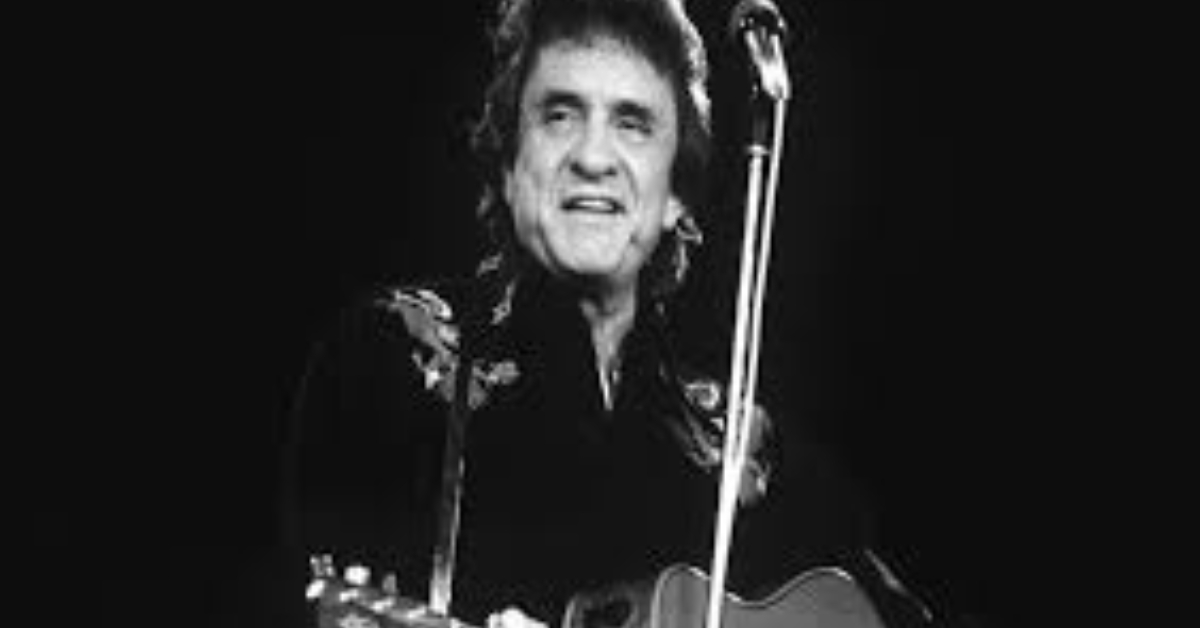
Johnny Cash, one of the most influential figures in American music, built a legacy that combined artistic authenticity, cultural impact, and substantial financial success. Born February 26, 1932, in Kingsland, Arkansas, he rose from poverty to global fame through raw storytelling, deep moral themes, and genre-defying sound.
Over a career spanning nearly five decades, Cash sold more than 90 million records, earned multiple Grammy Awards, and became a defining voice in country, rockabilly, and gospel music.
His financial standing, often discussed as johnny cash net worth, reflects income from record sales, royalties, touring, television, and real estate. Cash’s wealth mirrored his longevity, resilience, and unmatched influence on music history.
Quick Facts
| Category | Key Facts |
| Full Name | Johnny R. Cash |
| Born | February 26, 1932 |
| Birthplace | Kingsland, Arkansas, USA |
| Died | 2003 |
| Age at Death | 73 |
| Profession | American singer, songwriter |
| Music Genres | Country music, rockabilly, gospel music |
| Active Years | 1954–2003 |
| Estimated Net Worth | johnny cash net worth estimated at $60 million (inflation adjusted) |
| Total Records Sold | Over 90 million records sold |
| Record Labels | Sun Records, Columbia Records |
| First Major Label Mentor | Sam Phillips |
| Most Iconic Songs | I Walk the Line, Folsom Prison Blues, Ring of Fire |
| Landmark Album | Johnny Cash at Folsom Prison |
| Major Collaborator | June Carter |
| Awards | Multiple Grammy Award wins |
| TV Career | The Johnny Cash Show (ABC variety show) |
| Hall of Fame Inductions | Country Music Hall of Fame, Rock and Roll Hall of Fame |
| Royalty Range | 3% royalty to 5% royalty |
| Real Estate Highlights | Nashville lakefront mansion, Casitas Springs California property |
What Was Johnny Cash’s Net Worth?
Johnny Cash’s net worth at the time of his death in 2003 was widely estimated at $60 million, a figure often described as inflation adjusted to reflect modern value. This wealth was not the result of a single hit or short-term fame, but rather a successful career that spanned nearly five decades in the music industry.
Cash sold more than 90 million records sold worldwide, placing him firmly among the best-selling musicians in music history. His income streams included album sales, live performances as a touring artist, television appearances, publishing rights, and long-term royalty income. During different phases of his career, he reportedly earned between a 3% royalty and 5% royalty, depending on the terms of each record deal and label agreement.
While his career earnings fluctuated—especially during periods of drug addiction—his catalog continued to generate income long after release. His music’s presence in films, commercials, and reissues ensured ongoing revenue. Importantly, Cash’s financial story reflects longevity rather than excess. Unlike many artists, he reinvested earnings into property and creative control, helping preserve wealth despite personal and professional challenges.
Early Life: Roots That Shaped the Man in Black
Johnny Cash was born February 26 1932 in Kingsland Arkansas, a small farming community during the Great Depression. Raised in a working-class family, Cash learned early the value of hard work, humility, and resilience—traits that would later define both his music and public persona. His upbringing deeply influenced his songwriting, which often focused on hardship, faith, and redemption.
As a child, Cash worked cotton fields alongside his family, an experience that later informed songs rooted in country music, gospel music, and American folk traditions. The death of his older brother was a defining emotional moment that shaped his worldview and creative depth.
After high school, Cash joined the U.S. Air Force, serving as a radio operator during his Air Force service. Stationed overseas, he taught himself guitar and began writing songs. This period marked the foundation of his early career, where discipline and solitude helped him refine his craft.
Though he had no wealth at this stage, these formative years laid the groundwork for his future as an American singer and songwriter whose authenticity resonated with millions.
Early Career: From Memphis to a Record Deal
After leaving the Air Force, Johnny Cash settled in Memphis Tennessee, a city buzzing with musical innovation. There, he auditioned for Sun Records, a pioneering independent label founded by Sam Phillips, a producer known for discovering artists who reshaped popular music.
Cash’s audition led to a record deal with Sun Records, where he recorded early singles like Hey Porter, Cry Cry Cry, and Home of the Blues. These songs blended rockabilly, country, and gospel influences, setting him apart from other emerging artists.
His breakthrough came with I Walk the Line and Folsom Prison Blues, both of which gained national attention. Though early contracts offered modest compensation, they established Cash as a rising star in the music industry influence landscape.
At this stage, Cash’s earnings were limited, but the exposure was invaluable. His live performances and early touring artist income helped him transition from obscurity to recognition, marking the true beginning of his climb toward long-term financial success.
Success: Columbia Records and Mainstream Fame
Johnny Cash’s move to Columbia Records marked a major turning point in both his artistic and financial life. Columbia offered wider distribution, better promotional support, and a more lucrative contract than his earlier deals. This shift allowed Cash to scale his success nationally and internationally.
Throughout the 1960s and 1970s, Cash released numerous albums and singles, including Don’t Take Your Guns to Town, Bitter Tears, and collaborations like Jackson with June Carter, who later became his wife. These releases solidified his reputation as a versatile artist who could blend storytelling with commercial appeal.
Cash also hosted The Johnny Cash Show, an ABC variety show that expanded his reach beyond music into television. This show increased his visibility and added a new income stream, contributing to his growing career earnings.
With multiple Grammy award wins and consistent touring, this era represented the peak of his mainstream success and financial stability.
Ring of Fire: The Song That Became a Financial Engine
Ring of Fire stands as one of Johnny Cash’s most iconic and financially impactful songs. Written by June Carter and Merle Kilgore, the song became a defining moment in Cash’s career. Its distinctive mariachi-style horns and emotional intensity made it instantly recognizable.
Commercially, Ring of Fire generated substantial royalty income over decades. The song’s enduring popularity across radio, live performances, and later reissues ensured ongoing revenue, contributing significantly to Cash’s net worth.
The song also reinforced Cash’s brand as an artist unafraid to experiment while staying true to his roots. Its success boosted album sales and live attendance, especially during periods when Cash relied heavily on live recordings to reconnect with audiences.
Beyond finances, Ring of Fire symbolized Cash’s ability to turn personal emotion into universal music, strengthening his long-term earning power and cementing his place in music history.
Later Career: Reinvention and Career Resurgence
By the 1990s, Johnny Cash experienced a remarkable career resurgence. Producer Rick Rubin, known for working across genres, helped Cash strip his sound down to its emotional core. This collaboration introduced Cash to a new generation of listeners.
Albums released during this period were critically acclaimed and commercially successful, proving that artistic relevance could extend well into later life. Despite declining health, Cash continued recording and performing, demonstrating resilience and creative discipline.
This phase restored Cash’s credibility and boosted long-term revenue through renewed catalog sales and licensing. It also reaffirmed his music industry influence, showing how reinvention can protect and even grow financial legacy.
Though not as commercially massive as earlier decades, this period reinforced the durability of Cash’s brand and contributed meaningfully to his lasting wealth.
Personal Struggles: Addiction, Rock Bottom, and Redemption
Johnny Cash’s life was marked by intense personal struggles, particularly drug addiction involving barbiturates and amphetamines. At various points, these addictions led him to rock bottom, affecting his career, finances, and personal relationships.
He spent time in rehab centers and faced legal and professional consequences. However, these experiences also shaped his advocacy work, including becoming a prison reform advocate. His famous prison concerts were not only artistic milestones but also reflections of personal redemption.
While addiction caused financial strain at times, Cash’s honesty and resilience strengthened his connection with audiences. His willingness to confront flaws added authenticity to his music and preserved his long-term earning potential.
Death: Final Years and Estate Value
Johnny Cash died 2003 at the age 73, leaving behind an extensive catalog and enduring legacy. At the time of his death, his estate included music rights, publishing income, and valuable properties.
Despite health challenges, Cash remained productive until the end. His final recordings continued to generate income posthumously, contributing to the sustained value of his estate.
Cash’s legacy extended beyond money. His induction into both the Country Music Hall of Fame and the Rock and Roll Hall of Fame highlighted his rare cross-genre impact and lasting awards and honors.
Real Estate: Property Investments That Preserved Wealth
Real estate played a key role in Johnny Cash’s financial stability. He owned a 6-acre property in Casitas Springs California, located in Ventura County, which served as a private retreat.
Cash also owned a Nashville lakefront property, a 14,000 square-foot mansion once associated with Barry Gibb of the Bee Gees. The property reportedly sold for $2.3 million and later resold for $3.2 million, reflecting strong asset appreciation.
These investments helped diversify Cash’s wealth beyond music and ensured long-term financial security. Below is a summary table:
| Property Location | Description | Estimated Value |
| Casitas Springs California | 6-acre rural property | High six figures |
| Nashville | Lakefront mansion | $2.3M–$3.2M |
These holdings reinforced Cash’s overall net worth and provided stability during uncertain career phases.
Legacy: An Indelible Impact on Music and Culture
Johnny Cash’s impact on music is impossible to overstate. As an American singer who bridged country music, rock, and gospel, his influence shaped generations of artists. His collaborative spirit, willingness to address social issues, and emotional honesty gave his work lasting relevance.
His recognition across multiple halls of fame and his enduring presence in popular culture underscore his indelible impact on music history. Financially and culturally, Johnny Cash remains a benchmark for longevity, authenticity, and meaningful success.
Conclusion
Johnny Cash’s life and career reflect how artistic authenticity can translate into lasting financial and cultural value. Rising from rural Arkansas to global recognition, he built wealth through record sales, touring, television, royalties, and smart real estate investments. Selling over 90 million records and maintaining relevance across multiple decades allowed Johnny Cash to secure long-term income well beyond his peak years. His estimated johnny cash net worth stands as a result of perseverance, reinvention, and creative integrity rather than short-term fame. More than a financial figure, his legacy lives in music history, social impact, and influence on generations of artists. Cash proved that longevity, honesty, and purpose create both enduring wealth and timeless respect.

Ferderik Moller is a passionate blogger with expertise in massages, relationships, and festivals. He shares unique insights, expert tips, and creative ideas to nurture well-being, strengthen bonds, and elevate the joy of celebrations and special moments.