Every athlete dreads the moment an injury sidelines them. The instinct to rush back into training runs deep. Yet the athletes who recover strongest rarely take shortcuts. They follow structured rehabilitation programs that prioritize long-term function over short-term impatience. This approach consistently produces better outcomes, fewer reinjuries, and more complete returns to sport.
The Problem with Unstructured Recovery
Many athletes attempt to manage injuries independently. They rest until pain subsides, then resume training at full intensity. This approach ignores a fundamental truth about tissue healing. The absence of pain does not indicate complete recovery.
Tendons, ligaments, and muscles heal in predictable phases. Each phase requires specific stimuli to progress properly. Skipping stages or advancing too quickly creates structural weaknesses. These weaknesses often remain hidden until the athlete faces competitive demands. Then the injury returns, sometimes worse than before.
Unstructured recovery also leads to compensatory movement patterns. When one area hurts, the body shifts load elsewhere. Without proper guidance, these compensations become ingrained. Athletes return to sport moving differently than before. Performance suffers, and new injuries emerge in previously healthy tissues.
How Progression Drives Better Outcomes
Structured rehabilitation follows evidence-based progressions tailored to specific injuries. These progressions respect biological healing timelines while introducing appropriate challenges at each stage.
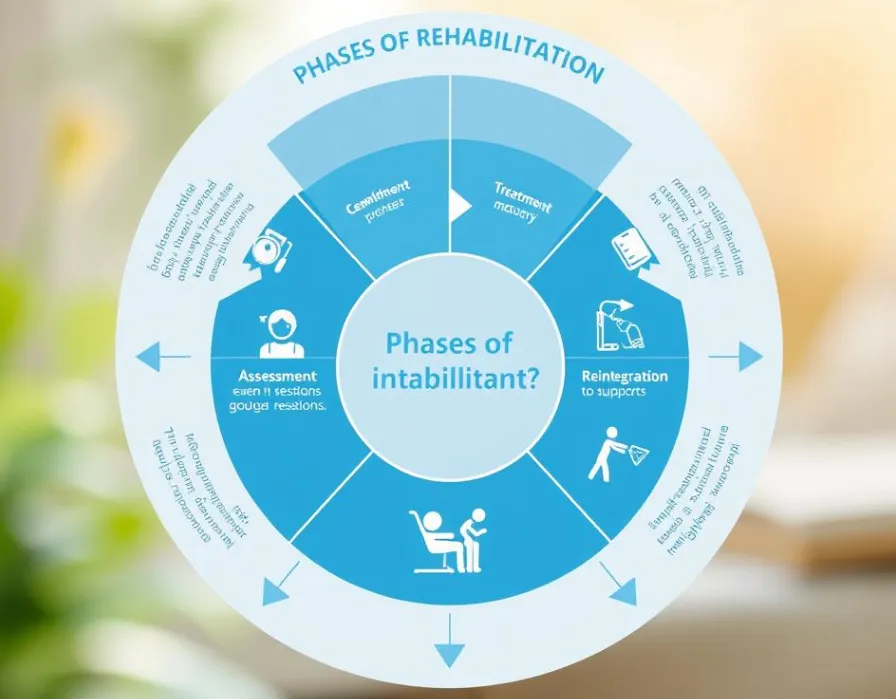
Early phases focus on protecting healing tissue and maintaining overall fitness. As healing advances, controlled loading begins. This loading stimulates tissue remodeling and builds tolerance for greater demands. Each step prepares the body for the next challenge.
Progression criteria matter as much as the exercises themselves. Advancing based on objective markers rather than arbitrary timelines produces superior results. These markers might include strength measurements, range of motion benchmarks, or movement quality assessments. When athletes meet established criteria, they progress. When they fall short, the program adjusts.
This systematic approach prevents the common mistake of advancing too quickly. It also prevents unnecessary delays that can lead to deconditioning. The result is efficient recovery that maximizes healing potential.
The Role of Discipline in Recovery
Rehabilitation demands discipline that differs from training discipline. Athletes accustomed to pushing through discomfort must learn restraint. They must respect boundaries even when they feel capable of more.
Daily consistency matters more than occasional intense efforts. Tissue adaptation requires regular, appropriate stimulus over extended periods. Missing sessions or inconsistently performing prescribed exercises undermines the entire process. Athletes who approach rehabilitation with the same commitment they bring to training recover more completely.
Discipline also means following professional guidance even when it conflicts with personal judgment. Athletes often feel ready to advance before their tissues have adequately prepared. Trusting the process and deferring to clinical expertise protects against setbacks.
Mental discipline plays an equally important role. Recovery timelines can feel endless. Frustration and impatience threaten adherence. Athletes who maintain focus on long-term goals rather than immediate desires navigate this challenge more successfully.
Movement Quality as the Foundation
Returning to sport without restoring movement quality guarantees future problems. Structured rehabilitation places movement quality at the center of every phase.
Before loading increases, movement patterns must meet established standards. This applies to basic movements like squatting and lunging. It extends to sport-specific skills that define athletic performance. Compromised movement patterns under low loads become dangerous patterns under high loads.
Assessment tools help identify movement deficiencies that might otherwise go unnoticed. Video analysis reveals compensations invisible to the naked eye. Standardized testing protocols quantify asymmetries between limbs. These objective measures guide intervention and track progress.
Corrective exercises address identified deficiencies systematically. Motor control work rebuilds proper sequencing. Stability training restores joint control. Mobility work eliminates restrictions that force compensations. Only after movement quality improves does loading intensity increase.
Many athletes seeking sports injury physical therapy find that this emphasis on movement quality distinguishes structured programs from informal recovery attempts. The focus extends beyond eliminating symptoms to restoring optimal function.
Building Toward Return to Sport
The final phases of structured rehabilitation bridge the gap between clinical recovery and competitive demands. This transition period often determines long-term success.
Sport-specific progressions introduce the exact movements and loads athletes will face in competition. Running programs advance through prescribed stages. Cutting and pivoting drills progress from controlled to reactive. Contact exposure increases gradually in collision sports.
Psychological readiness receives attention alongside physical preparation. Confidence in the injured area must rebuild. Fear of reinjury can limit performance even when physical recovery is complete. Structured programs address these concerns through gradual exposure and successful experiences.
Return-to-sport testing provides objective confirmation of readiness. Athletes must meet established benchmarks before clearance. These standards reduce guesswork and provide confidence to athletes, coaches, and medical teams alike.
The Long-Term Perspective
Athletes who complete structured rehabilitation often return stronger than before their injuries. The process forces attention to weaknesses that contributed to the original problem. Addressing these weaknesses creates more resilient athletes.
The lessons learned during rehabilitation extend beyond the immediate injury. Athletes gain deeper understanding of their bodies. They develop habits and awareness that reduce future injury risk. Recovery becomes an investment in long-term athletic development.
Structured rehabilitation requires patience and commitment. It demands trust in expertise and adherence to systematic progressions. The rewards justify these demands. Athletes who embrace this approach protect their careers and maximize their potential for years to come.

Ferderik Moller is a passionate blogger with expertise in massages, relationships, and festivals. He shares unique insights, expert tips, and creative ideas to nurture well-being, strengthen bonds, and elevate the joy of celebrations and special moments.