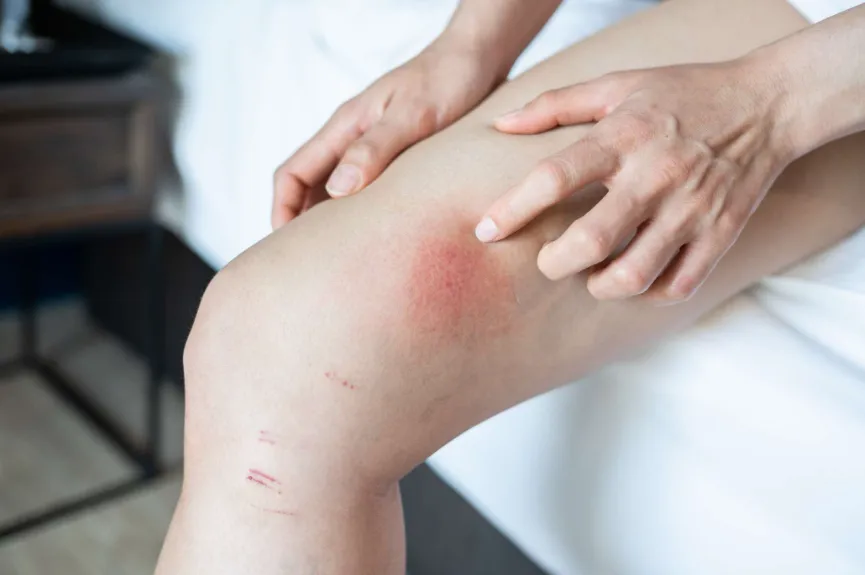
Healthy skin helps the body move freely and feel comfortable throughout the day. When skin stays smooth and protected, people can walk, work, and exercise without distraction. Skin discomfort can quickly affect focus and confidence if it is not addressed early.
One common form of skin irritation is chafing rash, which develops when repeated contact affects sensitive areas. It usually appears during long walks, workouts, or busy routines that involve constant movement. This article explains why this skin issue occurs and shares practical ways to reduce irritation and support lasting skin comfort.
How Repeated Friction Affects the Skin
Skin has a natural outer layer that acts as a shield. This layer keeps the surface smooth and flexible during movement. When friction happens again and again, that protective layer weakens and loses its ability to guard the surface.
Heat makes this process even faster. Warm conditions soften the skin and increase sensitivity. Sweat adds moisture, which raises friction and creates more stress on the surface. When movement, warmth, and moisture work together, irritation develops more easily. Once this balance breaks, even normal activities can feel uncomfortable. This explains why skin discomfort often appears after long walks, workouts, or busy days.
Body Areas That Experience More Contact
Some parts of the body face constant movement and pressure. These areas are more likely to react when friction builds over time. Inner thighs rub together during walking or running, especially during long periods of motion. Underarms move with every arm lift, stretch, and moving back and forth, which creates steady contact.
Waist areas experience pressure from clothing during sitting, bending, or twisting. Chest folds may also face skin-to-skin contact throughout the day. These areas respond quickly to repeated friction. Paying attention to them helps prevent irritation before it becomes disruptive.
Anti-chafing Thigh Guards for Extra Support
Clothing helps reduce friction, but some areas need more direct support. The inner thighs experience constant contact during walking and standing, which makes them more sensitive to irritation. In these cases, adding a physical barrier between skin surfaces can make a noticeable difference in chafing rash.
Thigh bands provide that added layer of protection by gently covering over the skin. They move with the body and stay in place, which helps maintain comfort during long periods of activity. Since they focus on a high-contact area, they work well alongside breathable clothing rather than replacing it. Using this type of support before daily activity allows smoother movement and reduces stress on the skin.
Daily Care Habits That Help Maintain Balance
Simple daily habits make a noticeable difference in skin comfort. Gentle cleansing removes sweat and buildup without damaging the surface. Rough washing can weaken the skin barrier, so a soft approach works best.
Moisture balance also supports flexibility. Well-hydrated skin handles movement more easily and resists friction. Drinking enough water helps from the inside, while balanced meals support skin strength and texture. Rest plays an important role as well. After long periods of activity, skin needs time to recover. Allowing the body to slow down helps reduce repeated irritation and keeps the surface calm.
Skin responds naturally to movement, warmth, and contact. With mindful habits, gentle care, and thoughtful clothing choices, people can protect skin comfort and move with greater ease. Paying attention to early signs helps prevent discomfort before it grows. Small, consistent changes can support long-term skin comfort and overall well-being.

Ferderik Moller is a passionate blogger with expertise in massages, relationships, and festivals. He shares unique insights, expert tips, and creative ideas to nurture well-being, strengthen bonds, and elevate the joy of celebrations and special moments.