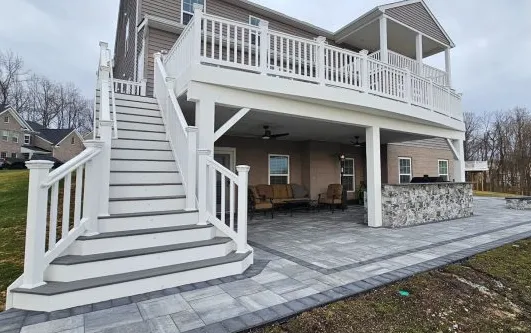
That gleaming new deck looks perfect in the builder’s photos. The quoted price seems reasonable. You’re already planning summer barbecues and evening gatherings under the stars. But here’s what most homeowners discover too late: the sticker price represents only a fraction of what you’ll actually spend over your deck’s lifetime.
Understanding the true cost of deck ownership—beyond initial construction—helps you budget realistically and avoid financial surprises. From routine maintenance to unexpected repairs, insurance implications to resale considerations, your outdoor investment carries ongoing expenses that builders rarely discuss upfront.
Annual Maintenance: The Recurring Bill
Wood decks demand regular attention. Professional cleaning runs $200-$500 annually depending on size and condition. Staining or sealing every 2-3 years costs $600-$2,000 for average-sized decks when you hire professionals. DIY approaches save labor costs but require equipment rental, materials, and your valuable time—typically 2-3 full weekends for proper preparation and application.
Composite decks aren’t maintenance-free despite marketing claims. They require annual cleaning to prevent mold, mildew, and staining. Specialized composite cleaners cost more than basic deck wash, and improper cleaning damages surfaces permanently. Budget $100-$300 yearly for composite maintenance supplies or professional cleaning.
Fastener replacement becomes necessary as screws corrode or work loose. Railing repairs address wear from constant use and UV exposure. These incremental costs add up—most deck owners spend $200-$500 annually on minor repairs and replacements even with diligent maintenance.
The Replacement Timeline You’re Not Expecting
Even well-maintained decks don’t last forever. Pressure-treated lumber decks typically survive 15-20 years before requiring major board replacement or complete rebuilds. Cedar and redwood might stretch to 25 years with exceptional care. Composite decking lasts 25-30 years, but the substructure beneath still needs replacement every 20-25 years.
Partial replacements often cost more per square foot than original construction. Matching discontinued materials or colors proves difficult, sometimes forcing complete surface replacements when only sections need repair. Factor in inflation, and your $10,000 deck might require a $20,000 rebuild two decades later.
Structural components fail before visible surfaces. Joists, beams, and posts deteriorate hidden from view until serious problems emerge. Professional inspections every 5-7 years catch issues early, but these examinations cost $150-$300 and often reveal expensive repairs that can’t be postponed.
Insurance and Liability Considerations
Most homeowners don’t realize decks affect insurance premiums and coverage. Elevated decks or those with hot tubs might increase liability coverage requirements, raising annual premiums. Unpermitted decks create nightmare scenarios—insurance companies may deny claims related to deck failures or injuries occurring on unpermitted structures.
Deck collapses cause thousands of injuries annually. If guests suffer injuries on your property, you face potential lawsuits reaching hundreds of thousands of dollars. Proper construction, regular inspections, and documented maintenance provide legal protection, but these responsible practices cost money that many owners skip.
Some insurance policies exclude deck damage from certain weather events unless you’ve maintained proper upkeep. Documenting maintenance—keeping receipts, photographs, and service records—proves you’ve fulfilled your obligations if you need to file claims.
Energy and Utility Impacts
Decks attached to your home affect interior comfort and energy costs. Poorly flashed ledger boards allow air and moisture infiltration, increasing heating and cooling expenses. South-facing decks create shade that might reduce summer cooling costs but increase winter heating needs.
Deck lighting adds electrical costs. Landscape lighting, under-rail LEDs, and stair illumination consume energy nightly. Solar options reduce electrical expenses but require higher upfront investment and periodic replacement of solar panels and batteries.
Water damage from deck drainage problems creates expensive home repairs. Improper grading directing water toward foundations causes basement flooding, foundation damage, and mold remediation costs dwarfing your original deck investment.
The Depreciation Reality
Unlike home improvements such as kitchen renovations that recoup 60-80% of costs, decks typically return only 40-60% of investment at resale. A $15,000 deck might add $7,000-$9,000 to home value. Older decks in need of maintenance actually decrease property value as buyers factor replacement costs into offers.
Trendy design choices date quickly. The popular composite color from 2015 looks outdated today. Custom features like built-in planters or elaborate railing designs appeal to you but may not match buyer preferences, limiting your home’s market appeal.
Property Tax Increases
Adding a deck increases your property’s assessed value, raising annual property taxes. The increase varies by location, but deck additions typically boost assessments $5,000-$15,000, translating to $50-$300 additional annual tax burden for the deck’s lifetime.
Protecting Your Investment Wisely
Smart deck ownership means budgeting beyond construction. Set aside $500-$1,000 annually for maintenance and repairs. Professional guidance ensures proper material selection, quality construction, and maintenance schedules that minimize long-term costs. Expert builders like those at decksforlife.ca help homeowners understand total ownership costs and make informed decisions that balance upfront investment with long-term value.
Understanding true deck costs prevents buyer’s remorse and financial strain. Your outdoor oasis should enhance your lifestyle and property value, not become a money pit draining resources year after year. Realistic budgeting and proactive maintenance transform deck ownership from expensive burden into worthwhile investment.

Ferderik Moller is a passionate blogger with expertise in massages, relationships, and festivals. He shares unique insights, expert tips, and creative ideas to nurture well-being, strengthen bonds, and elevate the joy of celebrations and special moments.