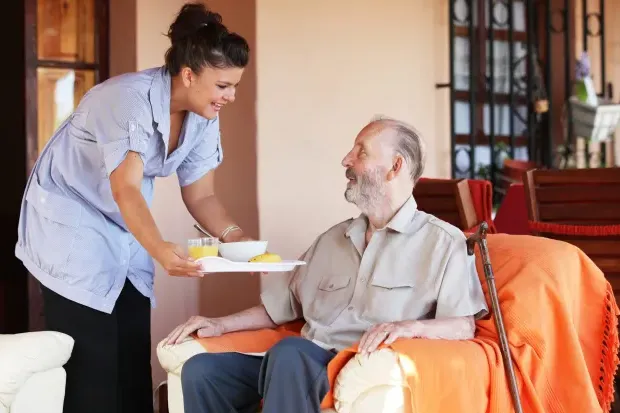
Independence is not something older Australians want to give up. For most people, the ability to live at home, make their own decisions, and stay connected to their community matters deeply. But as care needs increase, many families struggle to figure out how to support that independence without taking it over. Seniors care by Southern Cross Care is built around a simple but important idea: support should enable independence, not replace it. The organisation has been delivering care to older Australians for over 50 years. Today it operates across New South Wales and the Australian Capital Territory, supporting thousands of older people to live the life they choose.
What Does Independent Living Actually Mean for Older People?
Independent living means different things to different people. For some, it means staying in their own home. For others, it means moving into a retirement village where maintenance is handled but lifestyle remains fully their own. What it always means is the ability to choose. Who visits. What they eat. How they spend their time. Southern Cross Care designs its services around preserving that choice.
What Home Care Services Are Available?
Home care is the most common form of support for seniors who want to stay in their own homes. Southern Cross Care provides personal care, domestic assistance, meal preparation, transport to appointments, and social support. Services are tailored through individual care plans that reflect what each person actually needs. Not a generic package. A plan that fits their life.
How Does Government Funding Work for Home Care?
Most home care in Australia is subsidised through the Commonwealth Home Support Programme or Home Care Packages. Home Care Packages are assessed by the Aged Care Assessment Team and range from Level 1 (basic support) to Level 4 (high-level care). Southern Cross Care helps clients navigate this process. As of 2024, there are over 240,000 active Home Care Package recipients in Australia. Getting the right level approved makes a real difference to what support is accessible.
What Makes Retirement Living Different from Residential Aged Care?
Retirement living is for people who are well enough to live independently but want a supportive community around them. It’s not a care facility. It’s a lifestyle choice. Southern Cross Care’s retirement communities offer private residences with shared common areas, organised activities, and optional care services if and when they’re needed. This model lets people age in one place rather than moving multiple times as their needs change.
How Does Southern Cross Care Support Social Connection?
Social isolation is a major health risk for older people. Research published in the Journals of Gerontology found that loneliness is associated with a 26% increase in the risk of early death. Southern Cross Care addresses this directly through social programs, community activities, and group services. Connection isn’t treated as a nice extra. It’s part of the care model.
What Happens When Care Needs Increase?
This is the question families worry about most. What happens when Mum can manage now, but won’t be able to in two years? Southern Cross Care’s model accounts for this. Services can be scaled up as needs grow. Clients who start with domestic assistance can add personal care, nursing support, or transition to residential care within the same organisation. That continuity matters enormously. Older people shouldn’t have to rebuild trust with a new provider every time their needs change.
Is Respite Care Available?
Respite care gives family carers a break. It also gives older people a different experience. Southern Cross Care provides both in-home respite and residential respite. In-home respite brings a support worker to the home. Residential respite offers a short stay in an aged care home. Both options are subsidised through government funding for eligible individuals.
How Are Care Plans Developed and Reviewed?
Care plans at Southern Cross Care are developed through conversations with the client and, where appropriate, with family members. The plan reflects what the person wants to achieve, not just what they need to receive. Plans are reviewed regularly, particularly when health or circumstances change. This isn’t a one-and-done document. It’s a living guide to how care is delivered.
What Does Culturally Appropriate Care Look Like?
Australia is a deeply multicultural country. Older people from diverse backgrounds deserve care that respects their language, traditions, and values. Southern Cross Care works to match clients with workers who share their language or cultural background where possible, and uses culturally informed approaches to care planning. This isn’t a minor consideration. It directly affects how comfortable and safe a person feels in their own care.
How Does the Organisation Ensure Quality of Care?
Southern Cross Care is regulated under the Aged Care Quality and Safety Commission, which sets the national standards all Australian aged care providers must meet. The organisation undergoes regular accreditation audits. But beyond compliance, quality at Southern Cross Care is maintained through staff training, client feedback mechanisms, and a genuine commitment to the values that have guided the organisation since 1969.

Ferderik Moller is a passionate blogger with expertise in massages, relationships, and festivals. He shares unique insights, expert tips, and creative ideas to nurture well-being, strengthen bonds, and elevate the joy of celebrations and special moments.