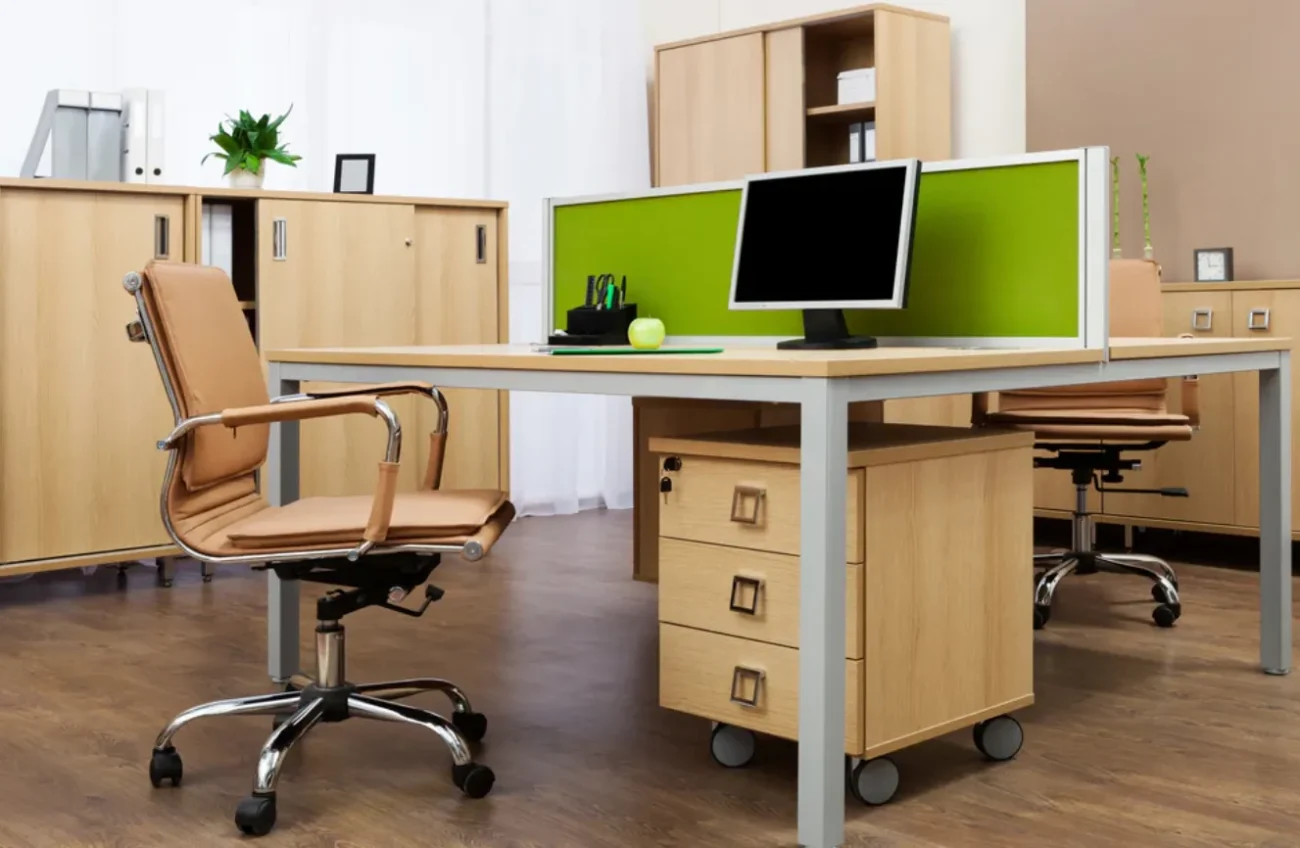
Furniture isn’t decoration. It’s infrastructure. The way a workspace is set up directly affects how people think, move, and perform throughout the day. Research from the World Green Building Council shows that poor office design can cut productivity by up to 17%. That number is too big to ignore. If you’re setting up or refreshing a workspace, investing in quality workspace furniture is one of the most practical decisions you can make for your team’s health and output.
Does the Chair Really Make That Much Difference?
Yes. It really does. The average office worker sits for about 10 hours a day. That’s not a little. That’s most of their waking life. Chairs that don’t support the lower back lead to muscle fatigue, then pain, then sick days. A 2021 study published in the Journal of Human Ergonomics found that ergonomic seating reduced musculoskeletal complaints by 35% in just 12 weeks.
An ergonomic chair isn’t a luxury. It’s maintenance for a human being who does work for you.
What Does Bad Furniture Actually Cost a Business?
This is where it gets real. The average cost of one sick day per employee in Australia is estimated at $340. That’s before you factor in lost momentum on projects. Businesses that ignore workspace comfort spend more in the long run on absenteeism than they’d ever spend on good furniture.
The British Council for Offices found that office design accounts for about 24% of overall employee satisfaction. That’s nearly a quarter. Bad furniture isn’t just uncomfortable. It communicates that the company doesn’t care.
How Does Desk Height Affect Your Work?
Most people don’t realize their desk height is wrong until they get a headache by 2pm. A desk that’s too high forces your shoulders up. Too low and your back curves. The correct desk height keeps your elbows at 90 degrees when typing. For most adults, that’s between 68cm and 76cm.
Height-adjustable desks solve this completely. Studies from Stanford University show that workers using sit-stand desks report 32% less fatigue and significantly better mood by mid-afternoon compared to those sitting all day.
Is Open Plan Really Better Than Private Spaces?
Open plan offices became a trend based on collaboration ideals. The reality is messier. A Harvard study found that face-to-face interaction in open offices actually dropped by 70% after redesigns, replaced by electronic communication. People put on headphones and tune out.
The smarter answer is a mix. Open zones for team work. Quiet pods or enclosed areas for focused tasks. Furniture layout drives this. Modular pieces that can be reconfigured give businesses the flexibility to adapt without tearing everything out.
What Role Does Colour and Material Play?
More than people expect. Colour psychology in workspaces is a real field. Blue tones have been linked to improved focus. Green reduces eye strain. Overly white or grey spaces can actually increase feelings of fatigue over time.
Material matters too. Surfaces that are easy to clean reduce germ spread. Fabrics that don’t trap heat keep people comfortable. It sounds small until you’re sitting in a hot chair at 3pm on a Wednesday.
How Much Space Does Each Employee Actually Need?
The Building Code of Australia recommends a minimum of 10 square meters per person in office spaces. But that’s a legal floor, not a design goal. Research from Gensler’s Workplace Survey found that employees who feel they have enough space to do focused work are 4 times more likely to be highly engaged.
Furniture arrangement defines perceived space. Tall partitions create isolation. Low dividers give privacy without cutting off light. Smart furniture planning can make a 60-square-metre office feel twice as functional.
Should You Invest in Premium Furniture or Is Budget Fine?
Budget furniture fails faster and costs more over time. A cheap chair lasts around 3 years before it starts breaking down. A quality ergonomic chair lasts 10 to 15 years. Do the math on replacement costs, and premium wins every time.
There’s also a signal effect. When clients visit your office and the furniture looks tired, they make a judgment about your business. When employees walk into a space that’s been properly set up, they feel taken seriously. Both of those things have real value.

Ferderik Moller is a passionate blogger with expertise in massages, relationships, and festivals. He shares unique insights, expert tips, and creative ideas to nurture well-being, strengthen bonds, and elevate the joy of celebrations and special moments.