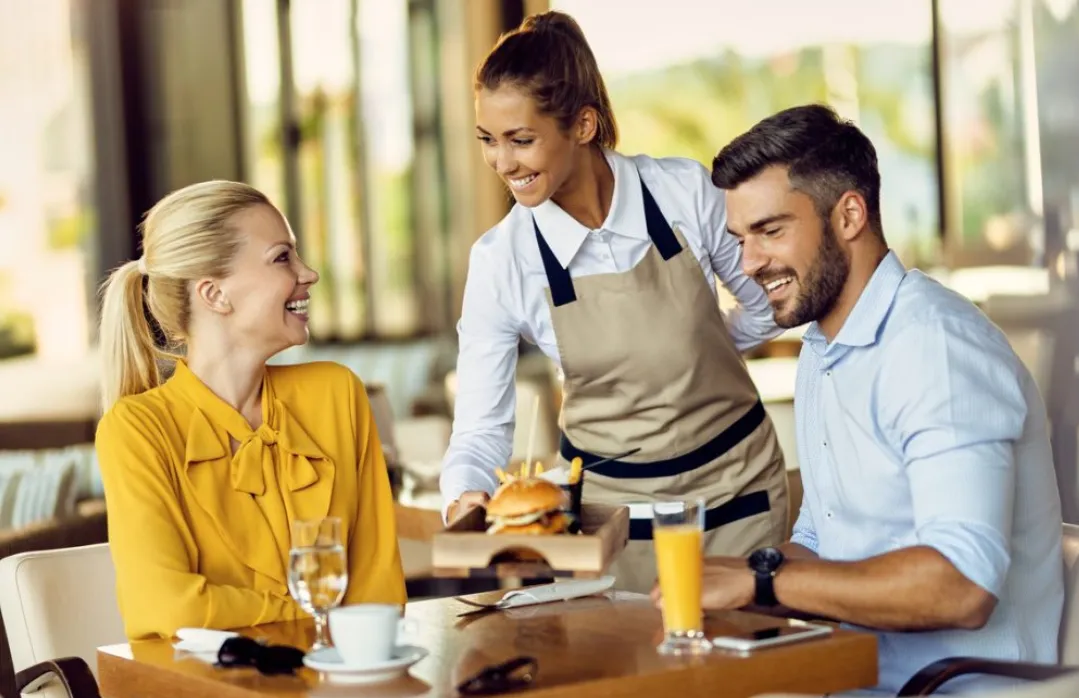
A restaurant visit begins long before the first bite reaches the table. Guests form impressions during booking, arrival, and their first interaction at the door. Smooth early experiences set a positive tone for the entire meal.
Modern dining spaces focus on comfort from the very first moment. Thoughtful systems reduce confusion and waiting stress. Careful planning turns arrival into part of the hospitality experience. One may explore reservations from popular places, such as CLAUDIE reservations.
Arrival Experience Sets the Tone for the Meal
The entrance area communicates more than décor alone. Clear signage, welcoming staff, and organized host stations create immediate ease. Guests feel acknowledged instead of uncertain.
Front desk coordination prevents crowding near entryways. Digital waitlists help teams track seating progress accurately. Short explanations about timing reduce frustration during busy periods.
Ambient design also shapes first impressions. Soft lighting and calm music signal comfort. A relaxed atmosphere encourages guests to settle in quickly.
Reservation and Check-In Tools That Reduce Friction
Smart systems streamline the first stage of service. Staff can access guest details quickly and accurately. Technology supports hospitality rather than replacing human interaction.
Key tools that improve the process include:
- Online reservation platforms with real-time table availability.
- Automated confirmation messages that reduce no-shows.
- Digital waitlists linked to guest phone notifications.
- Tablet-based host stations for faster check-ins.
- Guest profiles that store seating and dining preferences.
These features prevent bottlenecks at the entrance. So, staff spend less time searching for information. Guests move smoothly from door to table. People may explore reservations from popular places, such as CLAUDIE reservations.
Staff Coordination Drives Seamless Seating
Team communication plays a central role in smooth arrivals. Hosts, servers, and kitchen staff stay informed about table status. Clear updates prevent delays and confusion.
Floor plans help teams track seating patterns. Balanced distribution ensures service quality remains steady. Guests receive attention without long pauses.
Training programs emphasize awareness and timing. Employees learn how to read body language and anticipate needs. Coordinated efforts make transitions feel natural.
Atmosphere and Layout Influence Guest Comfort
Interior design shapes how guests experience space. Pathways remain open to allow easy movement. Crowded layouts create tension and disrupt flow.
Furniture placement supports privacy and comfort. Booths, communal tables, and quiet corners serve different preferences. Guests appreciate choices that match their mood.
Sound management matters as well. Acoustic panels soften background noise. Comfortable sound levels encourage conversation without strain.
Service Practices That Enhance Dining Satisfaction
Service methods affect how guests remember their visit. Clear processes ensure attention remains consistent. Structured routines help teams deliver reliable hospitality.
Important practices include:
- Greeting guests promptly after seating.
- Explaining menus clearly and answering questions confidently.
- Monitoring tables discreetly without interruption.
- Coordinating food delivery for timing and presentation.
- Checking satisfaction before clearing courses.
These habits create a sense of care. Thus, guests feel valued throughout the meal. Positive service strengthens return visits.
Technology Supports Efficiency Without Reducing Warmth
Digital systems assist staff behind the scenes. Table management software tracks seating duration and availability. Data helps teams adjust pacing during peak hours.
Mobile ordering tools improve accuracy. Orders reach the kitchen instantly with fewer errors. Clear communication reduces delays.
Payment technology shortens closing steps. Contactless options offer convenience and speed. Faster transactions leave a positive final impression.
Guest Feedback Guides Continuous Improvement
Feedback reveals how arrival experiences and service affect satisfaction. Comment cards, online reviews, and surveys provide insight. Restaurants use this information to refine procedures.
Managers analyze patterns in guest responses. Repeated concerns receive attention quickly. Small adjustments can lead to noticeable improvements.
Recognition of positive feedback also matters. Staff members gain motivation when good service receives praise. Encouragement strengthens team performance.
Smooth arrivals set the stage for memorable dining. Thoughtful systems, trained teams, and welcoming environments shape guest satisfaction. Modern restaurants create comfort from the first step through the final farewell.

Ferderik Moller is a passionate blogger with expertise in massages, relationships, and festivals. He shares unique insights, expert tips, and creative ideas to nurture well-being, strengthen bonds, and elevate the joy of celebrations and special moments.