Whole-home backup power provides peace of mind during outages, but the best option is determined by your needs, budget, and energy objectives. With various backup solutions available (generators, battery systems, and solar hybrids), it’s critical to understand how each works and what it provides. The optimal arrangement ensures that your house is powered securely and effectively, without the need for frequent fuel refills or system failure. This guide examines the best techniques, evaluates their real-world usefulness, and demonstrates how to tailor each option to your lifestyle. Whether you’re planning for grid instability or seeking energy independence, selecting the proper system begins with facts.
What Backup Options Can Power an Entire Home?
Standby Generators and How They Work
Standby generators use natural gas, propane, or diesel to automatically provide high-wattage electricity during an outage. They are permanently placed and activate within seconds of sensing a power failure. These systems can operate HVAC units, appliances, and lighting without user participation. Most versions are linked into your home’s electrical system and come with a transfer switch for added safety. While they provide reliable, continuous electricity, they require fuel, frequent maintenance, and skilled installation. They are ideal for houses that have frequent outages or require continuous electricity for medical devices or work equipment. Standby generators, when properly sized, may readily supply whole household loads.
Home Battery Backup Systems
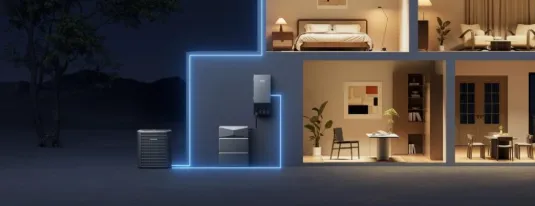
Battery backup systems store energy, often from the grid or solar panels, for use during power outages. These systems are silent, low-maintenance, and do not require fuel. Batteries are frequently placed alongside inverters and smart panels to control load and runtime. While most systems prioritize vital loads, bigger battery banks may provide full-home power, especially when combined with solar. They are suitable for homeowners who want to lessen their dependency on the grid or avoid the noise and pollutants associated with standard generators. As battery prices fall and capacity rises, these systems are emerging as a feasible whole-home backup and energy management option.
Solar + Storage Hybrid Solutions
A solar + storage system combines rooftop solar panels with a battery backup system to provide sustainable energy even when the grid is down. During the day, solar charges the battery while providing power to your house. The battery operates at night or during power interruptions. These systems save energy expenditures, enhance self-sufficiency, and deliver clean electricity with no fuel or noise. Many models have smart energy management, which optimizes when and how electricity is utilized. While the initial cost is higher, incentives and long-term benefits outweigh it. This hybrid solution is ideal for homes looking to achieve energy independence and sustainability without losing dependability.

How to Choose a Whole Home Backup Based on Needs?
Matching Backup Power to Essential Loads
Before selecting a system, determine which appliances and circuits you wish to retain operational. Refrigerators, lights, internet routers, and air conditioning are all common essential loads. List each device’s power and projected runtime. Then select a solution with the appropriate capacity and power delivery for those loads. Generators can often handle full-house loads, whereas battery systems may need to prioritize requirements. To avoid under- or oversizing your system, use a load calculator or talk with an installation professional. Matching backup power to real demand improves dependability, minimizes overloads, and allows you to get the most out of your investment.
Budget, Fuel, and Running Cost
The upfront and long-term expenses differ greatly between systems. Standby generators are frequently less expensive to build, but they require regular fuel and maintenance. Battery and solar systems are more expensive initially, but they have reduced running costs and no fuel bills. Consider how regularly you want to utilize backup power—daily solar storage may justify a larger expenditure, but occasional outages may not. Also consider fuel supply, particularly in remote or high-demand locations. Examine local incentives for solar and battery systems, which can help lower overall costs. Weighing short-term expenditure versus long-term savings allows you to select a solution that meets your financial objectives and energy requirements.
Installation, Maintenance & Warranty Factors
Generators need professional installation, periodic oil changes, and inspections, while battery backup for home use requires little maintenance beyond occasional software updates. Solar + storage systems may require panel permits and roof evaluations. Inquire about warranties—generators often come with 3- to 5-year durations, whereas batteries may give 10 years or 6,000+ cycles. Confirm service availability in your location. Consider physical area and noise. Generators require outside space with ventilation, but batteries are small and silent indoors. Incorporate installation time and grid connectivity into your plans. Choosing a system that is simple to maintain and comes with a good guarantee offers consistent backup when you need it most.
What Real‑World Scenarios Highlight Each Strategy?
Frequent Blackouts and Long Outages
Homes in places that experience frequent or lengthy blackouts due to storms, wildfires, or grid failures require dependable, high-capacity backup. Standby generators perform well under these settings, delivering continuous power without the need for user intervention. Fuel supply is critical; therefore, having access to propane or natural gas guarantees lengthy runtimes. Battery solutions also function well, particularly when combined with solar, but careful load control may be required during multi-day outages. Some homeowners combine them for redundancy. If grid disruptions occur frequently, your backup solution should provide full-home functionality, not just fundamentals. In these cases, prioritize systems with high output, extended runtime, and automatic switchover to reduce disturbance and keep everything operational.
Clean Energy Priority with Solar & Batteries
For environmentally minded homeowners, solar + battery solutions provide clean, silent backup with no emissions. These configurations limit reliance on fossil fuels and utility companies while lowering your carbon impact. Even during outages, solar panels continue to charge the battery, powering basics with sustainable energy. In places with high utility rates or time-of-use pricing, the battery can be discharged during peak hours to save money. These systems are quiet, making them perfect for residential districts. While the initial cost is higher, tax rebates and energy savings provide significant long-term benefits. Solar + battery solutions can help you achieve both sustainability and self-sufficiency.
Emergency vs. Continuous Power Needs
Your best solution is determined by whether you require backup for emergency or everyday use. A standby generator or a mid-sized battery system may be sufficient for short-term outages. They activate as necessary and may sustain critical circuits with little effort. For everyday dependability, such as powering medical equipment, remote workstations, or off-grid living, look for high-capacity batteries or solar hybrids with load control. These systems provide consistent power, lower noise levels, and longer-term performance. If grid instability persists, constant support becomes critical. In contrast, if outages are few, investing in a massive system may be superfluous. Match your backup choice to how frequently and for how long you’ll need it.
Conclusion
The optimal whole-home power backup approach is determined by your priorities, such as entire coverage during extended outages, quiet clean energy, or cost-effective reliability. Standby generators provide continuous power with minimum human input, whilst battery systems and solar hybrids provide silent, fuel-free operation with long-term savings. Consider your critical loads, budget, local climate, and how frequently you anticipate disruptions. Don’t overbuild, but don’t underestimate your requirements either. A well-chosen system maintains your house secure, connected, and pleasant, regardless of what the grid throws at you. With the proper configuration, you’ll have backup power available when you need it most.

Ferderik Moller is a passionate blogger with expertise in massages, relationships, and festivals. He shares unique insights, expert tips, and creative ideas to nurture well-being, strengthen bonds, and elevate the joy of celebrations and special moments.