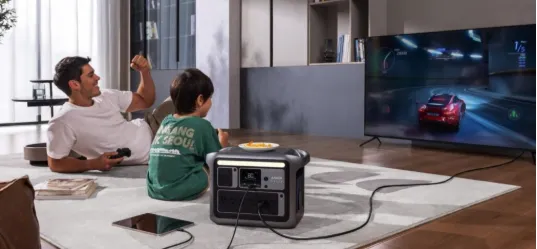
First-time solar generator users often discover that the biggest challenges come not from the technology itself but from planning assumptions that do not match real-world usage. Many people overestimate solar input, underestimate power consumption, or overlook key environmental factors that shape charging performance. Others forget to consider expansion options, port requirements, or how often they will monitor the system. A solar generator becomes significantly more effective when users understand its rhythms, limits, and strengths. The Anker SOLIX C1000 Solar Generator + 200W Solar Panel offers tools such as fast solar recharging, app-based management, and high output versatility that help users avoid many typical mistakes, but awareness still plays a central role in successful planning.
What Assumptions Lead to the Most Common Beginner Errors?
Misjudging Actual Energy Consumption Across Devices
New users often assume devices draw far less power than they actually do in sustained use. They may calculate capacity based on standby wattage instead of real consumption or overlook how surge requirements impact runtime. A refrigerator, for example, cycles repeatedly, raising total daily use more than expected. High-demand tools like induction cookers or electric heaters dramatically exceed beginner estimates. When people connect these devices to a system like the C1000, they quickly learn the value of understanding wattage patterns and the importance of matching them to the generator’s 1800W continuous and 2400W surge capabilities. With accurate expectations in place, users plan more realistically and avoid draining capacity too quickly.
Assuming Solar Panels Always Deliver Maximum Input
Many first-time owners expect panels to reach their rated wattage throughout the day. They do not account for cloud cover, sun angle, temperature, shading, or seasonal differences. A 200W panel may only deliver well below its rated output during morning and late afternoon, requiring users to adjust expectations. The C1000’s fast 600W solar recharging potential helps mitigate slower conditions when multiple panels are used, but planning still requires a realistic understanding of natural variability. Users who acknowledge that weather and location influence production tend to distribute their energy use more effectively across the day.
Overlooking System Scalability From the Start
Another early mistake involves buying too little capacity without considering future expansion. People may start with a single generator, only to discover they need twice the storage for overnight runtimes, multi-day trips, or extended outages. Because the C1000 allows expansion up to 2112Wh, users who understand scalability plan for growth rather than replacement. Planning with expansion in mind prevents frustration and creates a more adaptable long-term solution. This approach benefits travelers, off-grid users, and anyone preparing for emergencies where flexibility matters as much as initial output.
How Do Beginners Mismanage Solar Generator Use in Daily Practice?
Poor Panel Placement and Inconsistent Adjustment
New users often place solar panels in a convenient location instead of the optimal one. They forget that panels must face the sun directly to maximize charging efficiency. Small shifts in angle can dramatically increase or decrease input. The most successful users reposition panels throughout the day, especially when camping or living off-grid. With the C1000, users who actively optimize panel placement take full advantage of the fast solar recharging capability. Those who leave panels stationary typically experience slower energy recovery, leading to the false assumption that the generator is underperforming.
Neglecting System Monitoring and Load Management
Many beginners set up the system and walk away, assuming it will handle everything automatically. While the C1000 includes smart protections and a rapid UPS switching time under 20ms, effective planning still requires monitoring. The Anker app provides real-time status, scheduling options, and insights into consumption habits. When users ignore these tools, they miss opportunities to fine-tune performance, prevent overloads, or schedule charging during periods of lower household demand. Consistent monitoring helps users understand how their behaviors impact battery life, making their overall experience more efficient and predictable.

Misunderstanding Temperature and Environmental Factors
Environmental conditions significantly impact performance, yet beginners rarely factor them into planning. Cold temperatures may slow charging efficiency or shorten usable capacity. Excessive heat can reduce panel effectiveness. Dust, debris, or shading can block critical sunlight. The C1000’s wide charging and discharging temperature range provides resilience, but not immunity. Skilled users learn to plan around climate by storing the generator properly, positioning panels to avoid heat buildup, and cleaning surfaces regularly. These simple steps prevent many issues that beginners misinterpret as technical faults.
Conclusion
First-time solar generator users often struggle because they apply assumptions from grid power to a system powered by sunlight and stored energy. Misjudging device consumption, expecting panels to always reach their rated output, overlooking scalability, and neglecting placement or monitoring all create avoidable difficulties. A portable solar power generator such as the Anker SOLIX C1000 Solar Generator + 200W Solar Panel helps reduce these mistakes through fast charging, reliable output, long-lasting LFP batteries, and detailed app controls. However, informed planning provides the greatest advantage. Understanding variability, matching consumption to capacity, and adapting to environmental conditions transform the experience from trial-and-error into confident and efficient daily use.

Ferderik Moller is a passionate blogger with expertise in massages, relationships, and festivals. He shares unique insights, expert tips, and creative ideas to nurture well-being, strengthen bonds, and elevate the joy of celebrations and special moments.