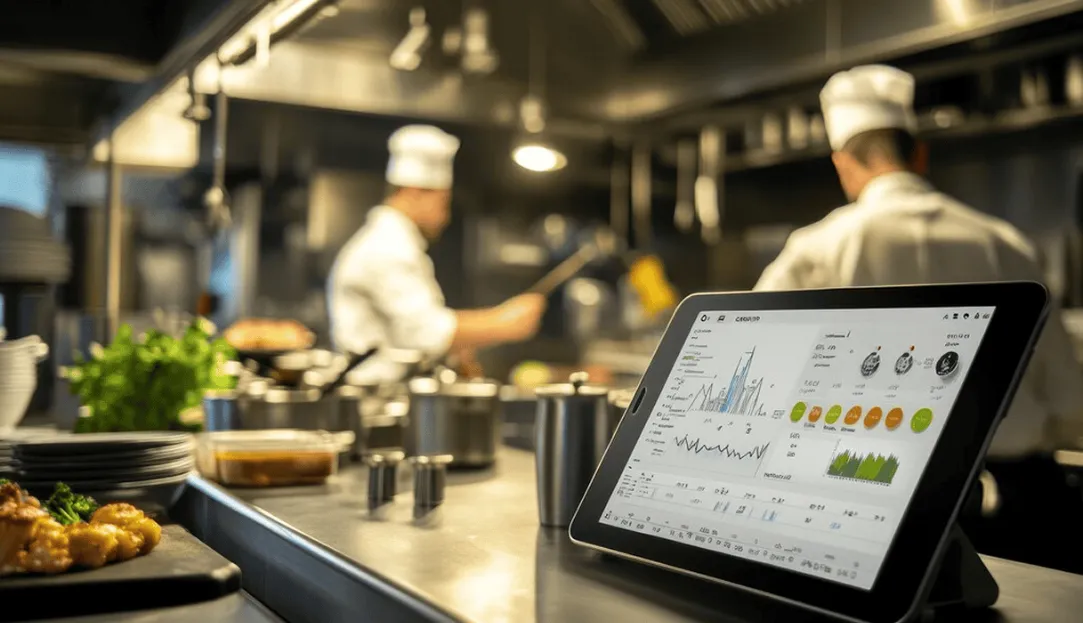
Running a restaurant today requires more than good food and solid service. Owners manage reservations, deliveries, staffing, accounting, marketing, and customer relationships, often all in the same day. Online tools reduce manual work, improve accuracy, and provide data that supports better decisions. The key is not installing every available app, but choosing tools that connect operations, revenue, and reporting into one system.
This guide breaks down the most practical online tools that help restaurants operate efficiently and grow with control.
1. Core Operations: POS, Kitchen Systems, and Reservations
A cloud-based point-of-sale system forms the center of a modern restaurant. It records sales, tracks payment methods, monitors inventory, and generates reports. Systems such as Toast, Square, and Lightspeed allow managers to view real-time revenue from a laptop or phone. That visibility changes how owners respond to slow shifts, stock shortages, or unusual sales patterns.
A strong POS system does more than process payments. It links menu items to ingredient usage, which allows inventory to adjust automatically when servers send orders to the kitchen. Instead of manually counting high-turnover ingredients every night, managers can compare theoretical inventory with physical stock and quickly identify waste, over-portioning, or theft.
Kitchen display systems replace printed tickets with digital order screens. These screens organize orders by time, priority, or station. Line cooks see exactly what needs attention and how long each ticket has been waiting. That clarity reduces communication errors between front-of-house and back-of-house teams. During peak hours, faster coordination increases table turnover without rushing guests.
Reservation platforms such as Resy, OpenTable, and SevenRooms manage table allocation and guest flow. Instead of relying on handwritten lists or disconnected booking channels, these systems centralize availability. Hosts can see upcoming reservations, party sizes, special notes, and waitlist requests. This improves seating efficiency and reduces no-shows through automated reminders.
Integrated reservation tools also store guest history. When a returning customer books again, staff can see previous visits, dietary preferences, or seating requests. That information supports consistent service without requiring staff to memorize details.
When POS, reservations, and kitchen systems connect, the entire operation moves as one unit. Sales update inventory. Reservations influence staffing. Reports reflect real performance rather than estimates.
2. Online Visibility and Local Discovery
A restaurant that cannot be found online loses potential guests before service begins. Online discovery tools determine whether customers see your business when they search for nearby options.
Google Business Profile remains the most critical listing tool. Accurate hours, updated photos, menu links, and real-time responses to reviews influence booking decisions. Tools like BrightLocal or Moz Local help monitor listings across directories and correct inconsistencies.
Review management platforms centralize customer feedback from Google, Yelp, and TripAdvisor. Instead of logging into each platform separately, managers receive alerts in one dashboard. Quick, professional responses signal that the business listens to guests. Data from reviews also highlights recurring problems, such as slow service or specific menu complaints.
Social media scheduling platforms like Buffer, Later, and Hootsuite help maintain consistent posting. Restaurants rarely have time to post daily content manually. Scheduling tools allow owners to prepare one week or one month of posts in advance. Promotions, seasonal menus, and events stay visible without disrupting daily operations.
Paid advertising tools within Meta and Google Ads allow restaurants to target specific audiences. Campaigns can focus on a limited geographic radius, promoting lunch specials to office workers or weekend brunch to families. Clear conversion tracking shows how many reservations or website visits resulted from each campaign.
Visibility tools connect awareness to measurable action. When used correctly, they show how many profile views convert into calls, reservations, or online orders.
3. Online Ordering and Delivery Systems
Digital ordering expanded rapidly over the past few years. Delivery platforms such as Uber Eats, DoorDash, and Deliveroo provide access to customers who may never visit in person. These marketplaces handle logistics, payments, and customer acquisition but charge commissions that affect margins.
Restaurants must decide how much dependency they want on third-party platforms. Direct ordering systems such as ChowNow, GloriaFood, or a built-in website ordering plugin allow customers to order without marketplace commissions. These systems often integrate directly with the POS, sending orders straight to the kitchen display system.
Owning customer data remains a key advantage of direct ordering. When customers order through your own system, you collect email addresses, order history, and preferences. That information supports future marketing campaigns and loyalty programs.
Online ordering tools also include upselling features. Automated prompts suggest add-ons such as drinks or desserts before checkout. Even small increases in average order value significantly improve profitability over time.
Subscription-based loyalty apps integrate ordering with rewards. Customers earn points automatically with each purchase. This encourages repeat orders without requiring paper punch cards or manual tracking.
Restaurants that balance marketplace exposure with direct ordering channels maintain broader reach while protecting margins.
4. Data and Performance Tracking
Restaurants generate large amounts of data daily. Sales by item, labor hours, inventory usage, and customer traffic create patterns that influence profitability. Without analytics tools, that information remains underused.
Most modern POS systems include reporting dashboards. These dashboards show revenue by daypart, server performance, best-selling items, and void rates. Managers can identify which menu items sell well and which underperform.
Advanced analytics platforms such as Looker Studio or Tableau connect to POS and accounting data for deeper insights. Owners can build dashboards that display labor cost as a percentage of revenue, food cost trends over time, and sales comparisons year over year.
Forecasting tools analyze historical sales to predict future demand. If data shows higher traffic during certain holidays or weather patterns, managers can adjust staffing and inventory accordingly. Predictive scheduling reduces overtime costs and minimizes shortages.
Tracking table turnover time reveals operational inefficiencies. If certain sections move slower than others, managers can examine service flow, server allocation, or kitchen speed. Optimizing turnover increases revenue without adding more restaurant tables or expanding the dining area.
Data tools support practical decisions. They help managers shift from reactive problem-solving to planned adjustments based on evidence.
5. Customer Relationship Management and Loyalty
Acquiring new customers costs more than retaining existing ones. Customer relationship management tools help restaurants maintain contact with guests after they leave.
Email marketing platforms such as Mailchimp or Klaviyo allow segmentation based on visit frequency, spending levels, or menu preferences. Restaurants can send targeted promotions rather than generic newsletters. For example, a guest who frequently orders vegetarian dishes can receive updates about new plant-based menu items.
SMS marketing platforms provide direct communication for limited-time offers or event reminders. Because text messages have high open rates, they work well for short-notice promotions.
Integrated loyalty systems automatically track points through the POS. Customers register once and accumulate rewards with each purchase. Staff no longer need to manually stamp cards or check balances.
WiFi marketing tools collect email addresses when guests log in to the restaurant network. These tools request basic information before granting access, turning internet access into a marketing opportunity.
Birthday campaigns and re-engagement flows encourage repeat visits. Automated messages can trigger when a customer has not visited in 60 or 90 days. These reminders maintain visibility without constant manual outreach.
Customer data also informs service personalization. When hosts see a returning guest’s history, they can recognize preferences and improve the interaction.
Retention tools reduce dependency on constant new traffic by increasing lifetime value.
6. Financial Management and Administrative Automation
Financial clarity determines long-term sustainability. Accounting software such as QuickBooks and Xero integrates with POS systems to import daily sales automatically. This eliminates manual entry errors and speeds up reconciliation.
Expense tracking tools categorize vendor payments and monitor recurring costs. Managers can see food purchases, utilities, and marketing spend in one dashboard. Comparing these expenses against revenue highlights margin pressure early.
Payroll platforms like Gusto manage wages, tax filings, and compliance documentation. Automated calculations reduce administrative burden and minimize errors that can lead to penalties.
Employee scheduling tools such as 7shifts and Deputy allow managers to build schedules based on projected sales. These tools track availability, overtime risk, and shift swaps. Staff receive notifications through mobile apps rather than paper schedules posted on a wall.
Vendor management platforms organize purchase orders and invoice approvals. Instead of searching through email threads for supplier confirmations, managers can review and approve invoices digitally.
Financial tools close the loop between revenue and cost control. They provide clear numbers that guide pricing, staffing, and investment decisions.
7. Website and Content Management Systems
A restaurant’s website functions as its digital storefront. Content management systems such as WordPress, Squarespace, and Wix allow owners to update menus, events, and promotions without hiring a developer.
Online booking integrations connect directly to reservation systems. Visitors can reserve a table without leaving the site. Menu management tools update prices automatically across pages to prevent outdated listings.
Search engine optimization plugins improve visibility for local searches. Structured data markup helps search engines display hours, reviews, and menu highlights directly in results.
Analytics tools such as Google Analytics track website traffic sources and user behavior. Owners can see which pages attract the most interest and which campaigns drive bookings.
A well-managed website supports credibility and conversion. It provides accurate information and reduces confusion that leads to lost reservations.
8. Team Communication and Training Platforms
Staff communication influences daily performance. Messaging platforms such as Slack or Microsoft Teams centralize announcements, shift updates, and training materials. Managers can share policies, menu changes, or service notes instantly.
Learning management systems host onboarding materials and training modules. New hires can review safety protocols, service standards, and menu knowledge before their first shift. Tracking completion ensures accountability.
Task management tools like Trello or Asana organize projects such as menu launches or renovation planning. Clear task assignments prevent misunderstandings and missed deadlines.
When communication tools integrate with scheduling platforms, staff receive shift updates automatically. Reduced confusion leads to fewer no-shows and smoother service.
Digital communication replaces fragmented text messages and printed memos.
9. Inventory and Supplier Management Tools
Food cost directly affects profitability. Inventory management software tracks stock levels in real time. Tools such as MarketMan and BlueCart allow restaurants to monitor ingredient usage and compare supplier prices.
Automated purchase orders trigger when inventory falls below predefined thresholds. This prevents last-minute emergency purchases at higher prices.
Supplier comparison tools display pricing history for key ingredients. Managers can negotiate better rates with data rather than assumptions.
Waste tracking features record spoiled or discarded items. Over time, this data identifies patterns in overproduction or storage issues.
Inventory tools align closely with POS data. When connected, they update stock automatically as items sell.
10. Security and Payment Protection
Digital transactions require secure processing. Payment gateways such as Stripe or integrated POS processors encrypt transaction data and comply with security standards.
Fraud detection tools monitor unusual payment patterns. Chargeback management platforms track disputes and provide documentation quickly.
Cybersecurity software protects reservation systems and customer databases. Regular backups and multi-factor authentication reduce risk.
Protecting customer information maintains trust and avoids costly disruptions.
Choosing the Right Combination
Selecting tools requires clarity about operational priorities. A small independent café may prioritize POS integration and direct ordering. A multi-location group may require advanced analytics and centralized reporting.
Owners should evaluate integration capability first. Disconnected systems create extra work. Tools that share data reduce duplication and errors.
Cost structure also matters. Subscription fees must align with projected revenue gains or labor savings. Free trials help test usability before long-term commitments.
Training requirements influence adoption. Staff must understand how to use each platform. Simple interfaces reduce resistance.
Online tools support restaurants when implemented with purpose. They streamline operations, increase revenue visibility, and provide measurable data. When chosen carefully and integrated properly, they become part of the restaurant’s daily rhythm rather than additional complexity.

Ferderik Moller is a passionate blogger with expertise in massages, relationships, and festivals. He shares unique insights, expert tips, and creative ideas to nurture well-being, strengthen bonds, and elevate the joy of celebrations and special moments.