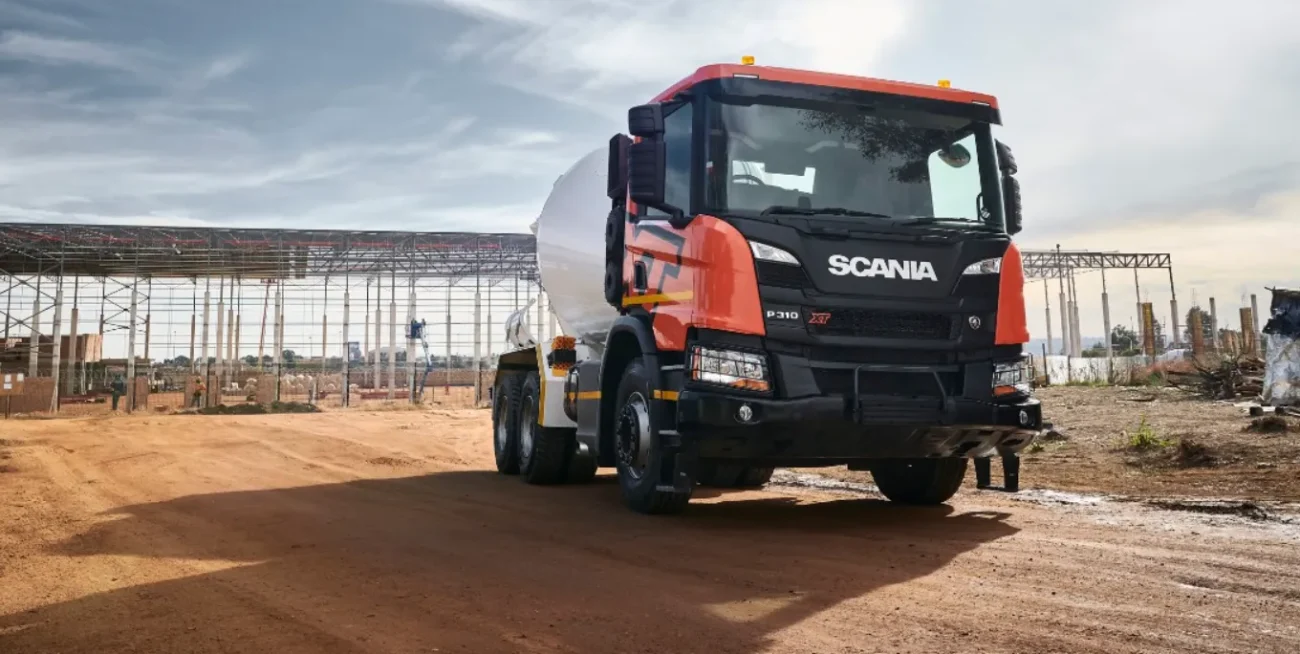
New Zealand is a small country with an outsized freight challenge. Two main islands, mountainous terrain, a long narrow road network, and a primary sector that produces food and raw materials for global export all create transport demands that punch well above the country’s population weight. Freight New Zealand estimates that road transport moves approximately 93% of all domestic freight by value. That number tells you everything about how dependent New Zealand’s economy is on a functional, reliable truck fleet. Whether it’s timber from Northland, dairy from Waikato, or construction materials for Auckland’s urban growth, trucks in NZ are the mechanism through which the country’s economic output actually moves.
How Do New Zealand’s Roads Shape Truck Specification Requirements?
New Zealand’s road network is demanding in ways that flat-country operators don’t fully appreciate until they’re in the hills. State Highway 1 from Auckland to Wellington includes steep gradients, tight corners, and variable weather conditions that test braking systems, transmission cooling, and engine braking performance in ways that motorway freight in Australia or Europe simply don’t.
Operators running the Napier-Taupo Road, the Desert Road, or the Remutaka Hill route need trucks with engine brakes capable of sustained downhill control on long descents under full load. Retarder systems integrated with the drivetrain prevent brake fade situations that become dangerous on these routes. Operators who skimp on these specifications create real risk exposure.
What Does Construction’s Growth Mean for Trucking Demand in New Zealand?
New Zealand’s construction sector has experienced significant sustained growth. Statistics New Zealand reported that building consents issued in 2023 remained elevated following years of infrastructure investment under the National Land Transport Programme. Every major construction project generates continuous trucking demand, from initial earthworks through to materials delivery and waste removal.
Auckland’s housing development pipeline alone has driven enormous demand for concrete trucks, tipper trucks, and flatbed transport. Infrastructure projects including road widening, bridge replacements, and the expansion of freight facilities around Ports of Auckland keep construction-related trucking running at high intensity. This demand is structural, not cyclical. Population growth and infrastructure debt ensure it continues.
How Important Are Trucks to New Zealand’s Rural and Agricultural Sector?
Rural New Zealand is truck-dependent at a level that urban operators sometimes don’t fully register. Livestock transport, fertiliser delivery, grain cartage, and the movement of horticultural produce from orchard to packhouse to port all rely on a consistent truck fleet. Kiwifruit from the Bay of Plenty, apples from Hawke’s Bay, and lamb from the South Island all travel by road before they travel by sea.
Seasonal pressure creates intensity spikes that rural transport operators plan around for months. Harvest periods for wine grapes, pip fruit, and cereals require precision logistics. A truck unavailable during a four-week harvest window represents lost revenue that can’t be recovered. Reliability, not just purchase price, drives procurement decisions in this sector.
Are New Zealand’s Forestry Operations Creating Specific Trucking Challenges?
Forestry is one of New Zealand’s most demanding trucking environments. Log trucks operate on unsealed forest roads that are steep, narrow, and regularly compromised by rain. Axle loading regulations in forestry zones differ from public road rules, and operators managing both forest extraction and state highway delivery must navigate two distinct compliance frameworks with the same assets.
The weight of green logs versus dried timber changes load distribution significantly. Operators running overloaded log trucks face not only regulatory penalties but accelerated wear on chassis and suspension components. Experienced forestry transport managers build these calculations into daily scheduling with a precision that general freight operators rarely need.
How Does Fleet Technology Improve Safety on New Zealand Roads?
Heavy vehicle safety in New Zealand has improved significantly over the past decade, driven largely by the rollout of the Heavy Vehicle Safety Programme and operator investment in telematics and driver monitoring. Speed compliance monitoring, fatigue management alerts, and lane departure systems have all contributed to reducing the heavy vehicle crash rate on New Zealand roads.
The Transport Agency’s HVNZ framework sets expectations for operator behaviour that are tied to operator licensing. Operators with poor safety records face compliance costs and restrictions that directly affect their competitive position. Investing in vehicle safety technology is no longer just an ethical choice. It’s a business protection decision.
What Should Fleet Operators Know About Vehicle Compliance in NZ?
New Zealand’s vehicle compliance rules, administered by Waka Kotahi, cover everything from axle weight limits to load restraint standards to Warrant of Fitness requirements for heavy vehicles. Operating outside these parameters creates immediate legal and insurance exposure.
The CoF, or Certificate of Fitness, is the heavy vehicle equivalent of a Warrant of Fitness and must be maintained continuously. A commercial operator running a fleet with lapsed CoFs faces immediate enforcement action and potential prohibition from operating. Compliance isn’t a paperwork exercise. It’s a core operational responsibility that affects every trip a truck makes on a public road.

Ferderik Moller is a passionate blogger with expertise in massages, relationships, and festivals. He shares unique insights, expert tips, and creative ideas to nurture well-being, strengthen bonds, and elevate the joy of celebrations and special moments.