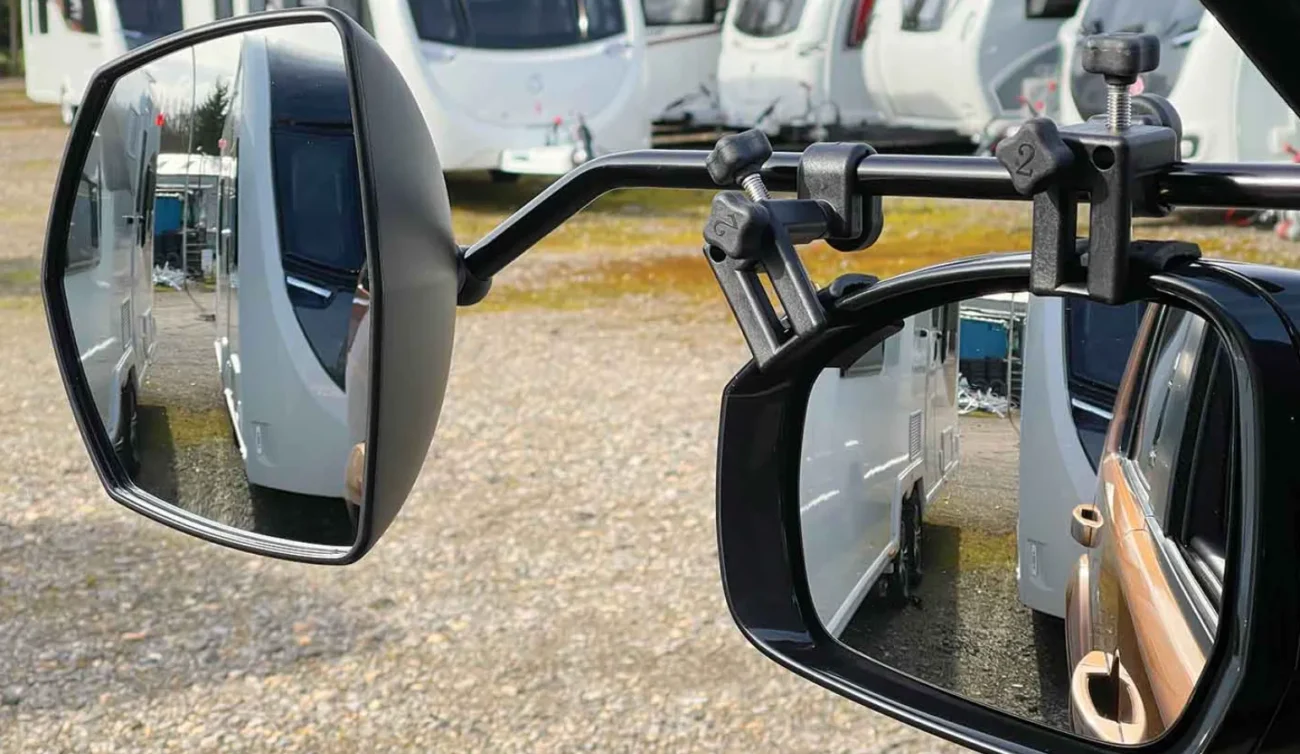
Australia is one of the most active caravanning and towing nations on earth. Over 700,000 registered caravans are currently on Australian roads, and that number keeps climbing. Choosing the right towing mirrors in Australia isn’t a small decision. The country’s mix of long outback highways, tight coastal campgrounds, and urban traffic means your mirrors need to perform across wildly different conditions. The wrong mirrors create legal risk, safety gaps, and daily frustration. This guide gives you everything you need to choose correctly the first time.
What Makes Australian Roads Demand More From Towing Mirrors?
Australian towing conditions are extreme compared to most countries. Corrugated outback roads vibrate equipment to pieces. Coastal salt air accelerates corrosion on cheap mirror fittings. UV intensity in Queensland and Western Australia degrades low-grade plastics within months. Long straight highways at 100km/h put constant wind pressure on mirror assemblies. Any mirror you choose needs to survive all of this, not just work in calm conditions on a smooth suburban road. Build durability and material quality are non-negotiable in the Australian context.
What Are the Legal Requirements Across Different States?
The Australian Road Rules apply nationally, but some states have their own enforcement priorities. The national rule is clear: if your trailer extends wider than your tow vehicle, you must have mirrors that provide a view at least 4 metres to the rear along each side of the trailer. In practice, this means your mirrors need to extend beyond your trailer’s outer edge. NSW, Victoria, Queensland, and WA all actively enforce this. Penalties vary by state but typically include fines ranging from $200 to $500 and demerit points. There’s no valid reason to risk it.
Which Mirror Type Suits Which Towing Setup?
Clip-on mirrors are the most common entry-level choice. They clip over your factory mirror and work for occasional towers with standard caravans. They’re easy to store and fit. For regular or extended trips, strap-on mirrors offer better stability. They wrap around the door and mirror body for a firmer mount. Electric wing mirrors are the top-tier option. They integrate with your vehicle’s mirror adjustment controls, stay firmly in place at highway speeds, and often include heated glass for cold-weather use. If you tow more than 10 times a year, electric mirrors pay for themselves in ease and reliability.
What Mirror Size Do You Actually Need?
Mirror size needs to match your trailer width. Most standard caravans between 2.3 and 2.5 metres wide require an extension of at least 100mm to 150mm per side beyond the trailer edge to meet legal requirements. Wider off-road caravans or horse floats can be 2.5 metres wide or more. Measure your trailer width first. Then check the mirror’s maximum extension range. Buying a mirror that doesn’t extend far enough for your specific setup is a waste of money. Get the measurement right before you buy.
How Do You Assess Mirror Glass Quality?
Glass quality affects your actual visibility. Flat glass gives you an accurate but narrow view. Convex glass widens the field of view but slightly reduces depth perception at distance. The best mirrors combine a primary flat glass panel with a smaller convex spotter glass in the corner. Look for anti-glare coating and UV-resistant treatment. In Australia’s intense sun, a mirror without UV protection will develop a yellow tint within 12 to 18 months. This degrades your rear vision and means you’re buying replacements more often than you should.
What Mounting System Holds Up Over Long Distances?
The mounting system is the part that fails first on cheap mirrors. Rubber straps crack and lose tension. Plastic clips fatigue and snap. Metal clamp systems with adjustable tension bolts are far more durable. Look for mirrors with a locking mechanism that prevents rotation under wind pressure at highway speeds. If a mirror can spin or shift while you’re driving, it becomes useless within minutes on the road. Test the clamping force before you head out. A solid mirror should not budge when you push it firmly with your hand.
Should You Choose Brand-Name Mirrors or Generic Options?
Brand-name mirrors from reputable 4WD accessory companies come with warranty support, replacement parts availability, and tested designs. Generic mirrors are cheaper but often lack these benefits. When a clip fails 600km from the nearest town, brand support matters. Consider the cost of a roadside breakdown or a minor accident caused by mirror failure against the difference in price. Quality mirrors from a trusted supplier typically cost $80 to $250 depending on type. That’s a small fraction of a single insurance excess.

Ferderik Moller is a passionate blogger with expertise in massages, relationships, and festivals. He shares unique insights, expert tips, and creative ideas to nurture well-being, strengthen bonds, and elevate the joy of celebrations and special moments.