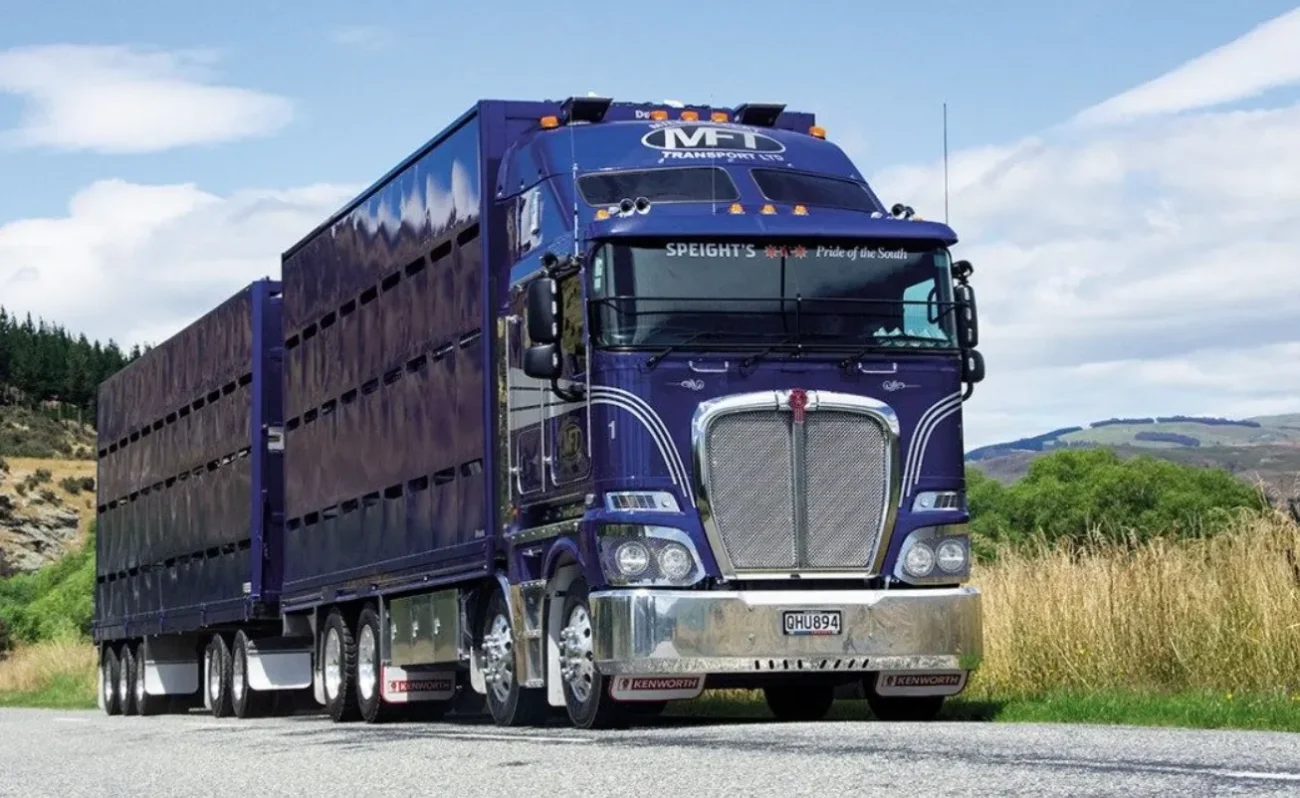
Choosing trucks in NZ isn’t just about picking a make and model. New Zealand’s terrain, regulations, and industry demands shape exactly what kind of truck will work for you. From steep Northland hills to South Island alpine routes, the operating environment here is tough and specific. The NZ freight industry moves over 93% of the country’s domestic goods by road. That means trucks are the backbone of commerce, not a secondary option. Getting the right one matters more than most buyers realise when they start shopping.
What Terrain Are You Actually Driving On?
This is the first question. New Zealand roads vary wildly. Winding rural roads, steep gradients, unsealed surfaces, and tight urban streets all demand different setups. A truck built for flat Australian highways won’t perform the same on the Remutaka Hill Road or tight Southland farm tracks. You need to map your typical routes before you choose a configuration. Consider the gradient ratings in your truck’s specs and match them to your actual terrain. Ignoring this upfront creates expensive surprises later.
What Commercial Use Category Does Your Work Fall Into?
Not all commercial trucks are built for the same job. Line haul trucks are optimised for long distance motorway runs. Distribution trucks handle urban stop-start routes. Tipper trucks are built for civil construction and bulk material movement. Tankers handle liquid and gas transport. Logging trucks handle some of the most demanding conditions in the country. Each category has specific weight ratings, chassis designs, and driveline needs. Buy the wrong category and you’re constantly fighting the truck instead of working with it.
What Does the NZTA Compliance Framework Require?
New Zealand’s Land Transport Rules set strict requirements for vehicle dimensions, weights, and safety systems. The maximum allowable mass for a standard heavy combination vehicle is 44 tonnes. High Productivity Motor Vehicles (HPMVs) can go higher with permits. Your truck must comply with the relevant Waka Kotahi NZTA standards for the routes you plan to run. Non-compliance means fines, permit issues, and potentially being pulled off the road. Check these rules before you commit to a spec, not after.
How Do Fuel Costs Shape Your Total Operating Budget?
Diesel prices in New Zealand have risen consistently over the past decade. Fuel is typically the single largest operating cost for most trucking operations, often sitting between 25% and 35% of total running costs. A truck with a modern, fuel-efficient engine can save you tens of thousands of dollars over a five-year run. Euro 6 emission-compliant engines are more efficient and increasingly expected on newer models. Look at real-world fuel consumption figures from operators in similar conditions, not just manufacturer claims.
Why Does After-Sales Support Matter in a Country This Size?
New Zealand is a small market geographically spread across two islands. Dealer and service networks matter enormously. If your truck breaks down in Invercargill or Gisborne, how fast can you get a technician and parts? A truck brand with only two or three service centres in the country is a risk for operators outside main centres. Downtime is expensive. One day off the road can cost a small operator $2,000 to $5,000 in lost revenue. Strong national support networks are worth paying for.
What Towing and Coupling Options Do You Need?
Many NZ commercial operations involve towing trailers, whether B-trains, A-trains, or standard semi combinations. Your fifth wheel coupling, trailer air lines, and electrical connections need to match your trailer fleet. Get this wrong and you’re doing expensive retrofitting before your first loaded run. Specify coupling compatibility at the time of purchase. If you’re running livestock, refrigerated, or curtainsider trailers, these add further requirements around deck height, refrigeration power connections, and ventilation clearances.
Should You Buy New or Spec a Quality Used Truck?
New trucks come with full warranty coverage, the latest safety tech, and known service history. Used trucks cost less upfront but carry hidden risk without a thorough pre-purchase inspection. In NZ, a certified pre-owned truck from a reputable dealer with documented maintenance history is often the smartest mid-ground. Ask for the truck’s full WOF and COF history, service records, and any previous accident reports. A good used truck bought smart beats a new one bought badly specced every time.

Ferderik Moller is a passionate blogger with expertise in massages, relationships, and festivals. He shares unique insights, expert tips, and creative ideas to nurture well-being, strengthen bonds, and elevate the joy of celebrations and special moments.