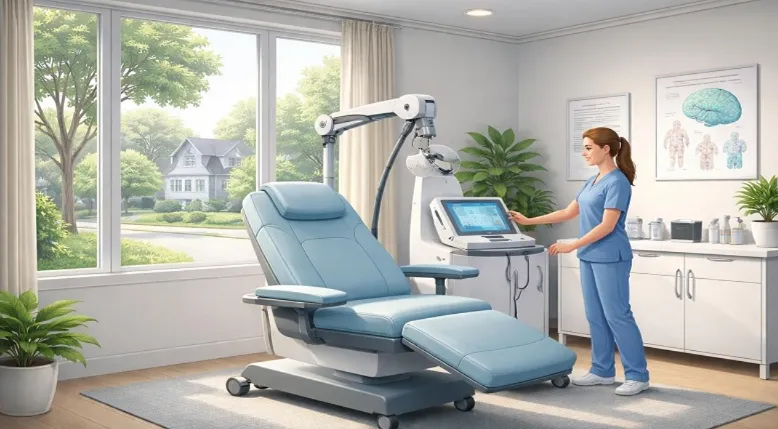
Transcranial Magnetic Stimulation (TMS) therapy has become an important treatment option for individuals in Norwood, MA who haven’t found relief from depression or OCD through traditional methods. TMS is an FDA-cleared, non-invasive procedure that uses magnetic pulses to stimulate specific brain regions involved in mood regulation, offering an alternative when medication or therapy alone hasn’t been effective. Several clinics in the Norwood area now provide this treatment, making it accessible to local residents seeking evidence-based care.
Finding the right TMS provider involves understanding how the treatment works and what distinguishes quality clinics from others. The process typically requires multiple sessions over several weeks, and outcomes can vary based on the clinic’s experience, technology, and approach to patient care.
This article examines how TMS therapy addresses depression and OCD, what patients should know about the treatment process, and key factors to consider when selecting a TMS clinic in Norwood. Understanding these elements helps individuals make informed decisions about their mental health treatment options.
How TMS Therapy Helps With Depression and OCD in Norwood
TMS therapy uses magnetic pulses to target specific brain regions involved in mood regulation and mental health conditions. This treatment has shown effectiveness for major depressive disorder and obsessive-compulsive disorder when other approaches have not provided adequate relief.
What Is Transcranial Magnetic Stimulation?
Transcranial magnetic stimulation is a noninvasive procedure that delivers magnetic pulses to nerve cells in specific areas of the brain. The treatment targets regions linked to mood regulation and mental health function.
During a TMS session, a magnetic coil is placed against the scalp to stimulate neural activity. The magnetic pulses pass through the skull without requiring surgery or sedation. Each session typically lasts 20 to 40 minutes.
The FDA has cleared TMS treatment for specific mental health conditions. Patients remain awake and alert throughout the procedure. Most treatment plans involve daily sessions over several weeks.
Who Benefits From TMS: Major Depressive Disorder and Treatment-Resistant Depression
TMS therapy serves individuals with major depressive disorder who have not responded adequately to medication management or psychotherapy. Treatment-resistant depression affects patients who have tried multiple antidepressant medications without achieving remission.
Research indicates that TMS produces response rates between 50% and 60% for treatment-resistant depression. Remission rates range from 30% to 40% in clinical studies.
Common candidates for TMS include:
- Patients who experienced inadequate results from antidepressant medications
- Individuals who cannot tolerate side effects from pharmacology approaches
- Those seeking alternatives to medication management
- Patients looking for evidence-based treatments beyond traditional options
Healthcare providers develop an individualized treatment plan based on symptom severity and treatment history. TMS can be used alongside other evidence-based treatments or as a standalone approach.
Effectiveness of TMS for Obsessive-Compulsive Disorder
The FDA cleared TMS therapy for obsessive-compulsive disorder in 2018. This approval followed clinical trials demonstrating effectiveness in reducing OCD symptoms.
TMS for OCD targets the prefrontal cortex and regions involved in compulsive behaviors. The treatment protocol differs from depression-focused TMS in terms of stimulation parameters and targeted brain areas.
Studies show that approximately 30% to 40% of OCD patients experience significant symptom reduction with TMS. The treatment works for patients who have not responded to selective serotonin reuptake inhibitors or cognitive behavioral therapy.
TMS vs. Medication Management and Other Evidence-Based Treatments
TMS offers distinct advantages compared to pharmacology and medication management approaches. The treatment does not produce systemic side effects common with antidepressant medications.
Treatment comparison:
|
Approach |
Key Features |
Common Use |
|
TMS Therapy |
Noninvasive, localized brain stimulation |
Treatment-resistant cases |
|
Medication Management |
Oral or injectable pharmacology |
First-line treatment |
|
Esketamine (Spravato) |
Nasal spray administered in clinical settings |
Severe treatment-resistant depression |
|
Psychotherapy |
Talk therapy and behavioral interventions |
Standalone or combined approach |
Esketamine (Spravato) represents another evidence-based treatment for treatment-resistant depression. This medication requires in-office administration and monitoring. TMS does not require supervision after treatment sessions.
Many patients in Norwood combine TMS with ongoing medication management or therapy. Healthcare providers assess which evidence-based treatments fit each patient’s needs. An individualized treatment plan considers previous treatment responses and current symptoms.
Choosing a Leading TMS Clinic: What to Expect in Norwood, MA
Selecting a TMS clinic in Norwood requires understanding how providers conduct initial evaluations, deliver treatment sessions, integrate behavioral health services, and handle insurance coverage. Patients should expect comprehensive psychiatric assessments, personalized treatment plans, and coordinated mental health support throughout their care.
Comprehensive Assessment and Personalized Care
A leading TMS provider begins with a thorough psychiatric evaluation to determine whether TMS therapy is appropriate for the patient’s condition. This comprehensive assessment typically includes a review of previous treatments, current medications, and detailed symptom history. Board-certified psychiatric mental health nurse practitioners or psychiatrists personally review each case to create individualized treatment plans.
The evaluation process at established facilities like Onward Psychiatry and Oasis Behavioral Health Center ensures that patients receive evidence based mental health treatment tailored to their specific needs. These behavioral health experts assess factors such as treatment-resistant depression severity, previous medication responses, and overall mental wellness goals.
Patients can expect their TMS provider to explain how NeuroStar TMS therapy or similar FDA-cleared technologies work for their particular condition. The psychiatric clinic should outline realistic expectations for outcomes and establish measurable treatment goals during the initial consultation.
Experience at a TMS Provider: Treatment Sessions and Follow-Up
TMS sessions typically occur five days per week for four to six weeks, with each session lasting approximately 20-40 minutes. During treatment, patients remain awake and alert while the device delivers magnetic pulses to specific brain regions associated with mood regulation. The procedure is non-invasive and does not require sedation or anesthesia.
Most patients can resume normal activities immediately after each session. A typical course involves 20-30 sessions, though the exact number varies based on individual response and clinical protocols. The TMS clinic monitors progress throughout treatment and adjusts parameters as needed.
Follow-up care includes regular check-ins to assess symptom improvement and maintenance planning. Behavioral health centers typically schedule evaluations at intervals during treatment and establish ongoing mental health support after the initial course concludes. Patients maintain contact with their care team to address any concerns and track long-term outcomes.
Behavioral Health Centers and Support Services Available
Leading behavioral health centers in Norwood integrate TMS therapy within comprehensive mental health services. These facilities offer psychiatric evaluations, medication management, therapy, and specialized services like forensic evaluations when needed. The coordinated approach ensures patients receive complete care rather than isolated treatments.
Oasis Behavioral Health Center and similar providers employ teams of behavioral health experts who collaborate on patient care. This multidisciplinary model allows for seamless coordination between TMS treatments and other therapeutic interventions. Patients benefit from compassionate support that addresses various aspects of mental wellness beyond the TMS sessions themselves.
Access to integrated services means patients can receive ongoing therapy, medication adjustments, and crisis support at the same location. This convenience reduces barriers to consistent care and improves treatment adherence.
Insurance Coverage and Accessing Mental Health Services
Major insurance providers including Aetna, Cigna, Medicare, Optum, and United Healthcare now cover FDA-cleared TMS therapy for treatment-resistant depression. Coverage requirements vary by plan, but most require documentation of failed medication trials and comprehensive assessment results. Patients should verify their specific benefits before beginning treatment.
The TMS provider’s administrative team typically handles insurance verification and authorization processes. Many clinics offer free consultations to review coverage options and out-of-pocket costs. Prior authorization usually takes 1-3 weeks, though timeframes depend on the insurance carrier.
Self-pay options exist for patients without coverage or those who prefer not to use insurance. Payment plans may be available to make treatment more accessible. The behavioral health center should provide transparent pricing information and financial counseling during the consultation process.

Ferderik Moller is a passionate blogger with expertise in massages, relationships, and festivals. He shares unique insights, expert tips, and creative ideas to nurture well-being, strengthen bonds, and elevate the joy of celebrations and special moments.