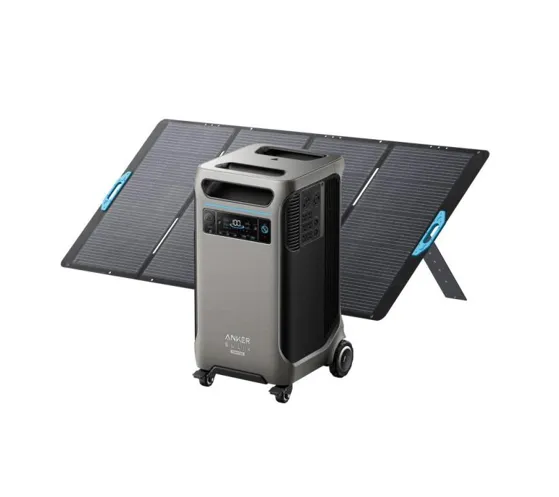
A solar powered generator uses solar panels to charge a built-in battery, then delivers that stored energy through AC outlets and USB ports. People use them for home backup, RVs, camping, off‑grid cabins, and job sites. Unlike gas generators, solar models run silently and do not burn fuel. You can set them up indoors, plug in key devices, and keep going during an outage. Modern brands also offer fast charging from wall outlets and cars, not just from the sun. That flexibility makes solar power stations more practical than older off‑grid systems. To decide if one is worth the money, you need to weigh power needs, battery size, charging speed, and whether portable options fit your lifestyle.
Benefits of a Solar Powered Generator
Clean and Portable Energy Anywhere
A solar powered generator gives you plug‑and‑play access to clean energy almost anywhere. The core unit usually combines a lithium battery, inverter, and smart display in one compact box. You connect folding or rigid solar panels, angle them toward the sun, and start storing power without extra wiring. Many models add multiple AC outlets, USB‑A, USB‑C, and 12V ports, so you can run laptops, phones, lights, fans, and small appliances at the same time. Because it does not burn fuel, you can use it in tents, vans, or tiny homes with no fumes. The quiet operation also makes it ideal for campsites and neighborhoods that limit generator noise. For people who move often or enjoy outdoor trips, this portability becomes a major advantage.
Backup Power During Emergencies
A solar generator also helps during power outages and severe weather. When the grid fails, you can keep essentials running: phones, routers, LED lights, medical devices within rated limits, and sometimes refrigerators or CPAP machines. Some people pair a solar generator with a small solar array on a balcony, patio, or yard, then leave it plugged in and ready. During a blackout, they simply move the generator indoors and plug in devices. If the sun comes out, they recharge the battery without needing fuel deliveries or long gas lines. For short outages, that convenience can make a big difference. For longer events, a system with enough panels and capacity lets you stretch limited power and stay connected, informed, and more comfortable at home.
Things to Consider Before Buying
Battery Capacity and Charging Speed
Battery capacity determines how long a solar generator can run your devices. It is usually listed in watt‑hours (Wh). To estimate your needs, list each device, check its watt rating, and multiply watts by hours of use. Add those numbers to get a target capacity. For example, a 60W laptop used for 5 hours uses 300Wh. A 100W TV for 3 hours uses 300Wh. Together they need about 600Wh, plus some margin. Next, look at continuous and surge output in watts. Make sure the generator can handle the highest combined load you will plug in at once. Charging speed also matters. Many modern units support fast AC charging, car charging, and high‑watt solar input. Faster charging means you recover from outages quicker and use solar hours more efficiently.
Portable Options Like Anker SOLIX Solar Generators
Portable systems such as Anker SOLIX solar generators focus on easy setup, mobility, and smart features. These power stations often use long‑lasting LiFePO4 batteries, which handle more cycles than older lithium chemistries. That means you can charge and discharge them many times before capacity drops. Anker SOLIX models typically combine high‑wattage inverters with multiple output ports and app control, so you can check remaining runtime from your phone. Foldable solar panels make it simple to pack the whole system in a car or RV. Some bundles include panels sized to match the generator’s input limit, which helps you reach full charge faster under good sun. If you need backup for both home and travel, this type of portable, modular kit offers more flexibility than a fixed rooftop system.
Are Solar Powered Generators Better Than Gas Generators?
Maintenance, Noise, and Fuel Costs
Gas generators deliver high power for heavy loads, but they demand more work. Owners must buy fuel, store it safely, change oil, maintain spark plugs, and run the engine regularly. During long outages, fuel costs rise quickly, and finding gas can become hard. Noise also becomes an issue; many gas generators are loud enough to disturb neighbors and break campground rules. Solar powered generators avoid these problems. They run quietly, need almost no routine maintenance, and do not depend on fuel deliveries. You simply keep the battery charged from the wall or solar panels. For users who value low hassle, clean operation, and indoor‑safe use, those advantages outweigh the higher peak output that gas units offer.
Eco-Friendly and Long-Term Value
Solar generators shine when you care about emissions and long‑term value. Every kilowatt‑hour from the sun replaces gasoline or diesel you do not burn. That cuts greenhouse gases and local air pollution. Over several years, the savings on fuel and maintenance can balance part of the upfront cost, especially if you use the system often for camping, RVing, or regular outages. Modern LiFePO4 batteries also extend the service life; many hold most of their capacity after thousands of cycles. While a gas generator may wear out or sit unused for long periods, a solar power station can serve as a daily backup and portable energy hub. For many households, that flexibility and lower ongoing cost make solar a better long‑term value.

Conclusion
A solar powered generator is worth buying when you match its size and features to your real needs. It delivers quiet, clean backup power for outages and brings reliable energy to campsites, RVs, and off‑grid spots without fuel or fumes. You must, however, understand its limits. Large appliances and whole‑home loads still challenge most portable units. By checking battery capacity, output rating, and charging options, and exploring portable systems like Anker SOLIX solar generators, you can choose a setup that makes sense. For many users, the mix of portability, low maintenance, and long‑term savings makes a solar generator a smart, future‑ready investment.

Ferderik Moller is a passionate blogger with expertise in massages, relationships, and festivals. He shares unique insights, expert tips, and creative ideas to nurture well-being, strengthen bonds, and elevate the joy of celebrations and special moments.