Home battery backup and solar input work together to keep your lights on, even when the grid goes down. Solar panels turn sunlight into electricity. A battery stores extra power so you can use it at night, during bad weather, or in a blackout. This combination helps you rely less on the utility grid and protect yourself from rising energy costs. With the right setup, your solar and battery system can run key appliances or even your whole home. Understanding the basics makes it easier to choose the right equipment, size your system, and get the most savings possible.
How Home Battery Backup and Solar Input Work Together?
How Solar Panels Generate and Send Energy to Batteries
Solar panels sit on your roof or in your yard and capture sunlight using photovoltaic cells. These cells create direct current (DC) electricity whenever the sun shines. An inverter then converts that DC power into alternating current (AC), which your home can use. When your solar array produces more energy than your home needs, the system routes the extra power to your battery. A charge controller or hybrid inverter manages the charging process to protect the battery and optimize efficiency. If the battery becomes full, any additional solar energy can go back to the grid under net metering, if available.
How Stored Solar Energy Powers Your Home During Outages
When the grid fails, a home with only solar panels usually shuts down for safety. A solar battery backup setup behaves quite differently. As soon as the power goes out, a backup gateway or automatic transfer switch isolates your home from the grid. The battery then starts feeding power to your home’s critical loads panel or whole-home circuits. Solar panels keep generating during the day, so they can recharge the battery while also running appliances. This loop lets you ride through short outages smoothly and handle longer blackouts with careful energy use, especially if your battery and solar array are sized well.
Key Parts of a Solar Battery Backup System Explained
Solar Panels, Inverters, and Battery Storage Basics
A solar battery backup system has three main parts: solar panels, inverters, and the battery. Solar panels generate DC electricity. The inverter converts the DC into AC power for your home and for charging the battery. Many modern systems use a hybrid inverter that handles solar, battery, and grid connections in one unit. The battery stores extra energy for later use and usually sits in a garage, utility room, or outside wall. Most home systems use lithium-ion batteries because they are compact, efficient, and last thousands of cycles. A monitoring app shows production, storage level, and real-time energy flows.
Smart Energy Management and Automatic Backup Switching
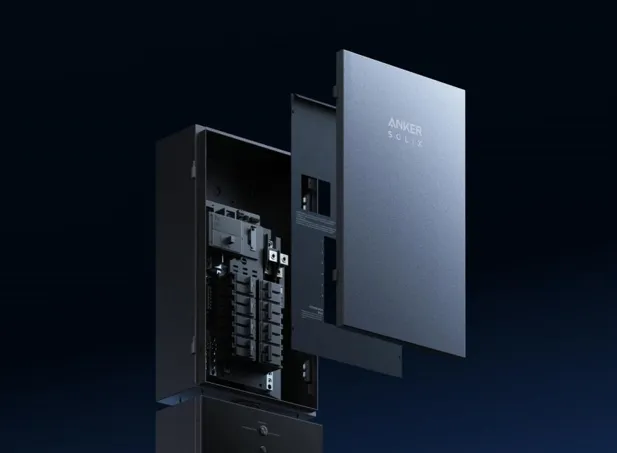
Smart energy management hardware and software control how solar and battery power flow. A backup gateway or transfer switch senses grid status. When grid power drops, it automatically switches your home to battery power in a fraction of a second. Circuit-level controls can prioritize important loads like refrigerators, lights, Wi-Fi, and medical equipment. The system also decides when to charge or discharge the battery based on solar production, time-of-use rates, and your preferences. Many systems connect to the internet, so you can watch energy use from an app, adjust settings, and receive alerts during storms or planned outages.
How Solar Input Capacity Affects Charging Speed
Solar input capacity describes how much solar power can flow into your battery system at once. A larger solar array or higher input rating lets your battery refill faster after a night or outage. For example, a 10 kW solar system can charge a battery much quicker than a 3 kW system in good sun. The inverter and charge controller also set limits; they may cap how much solar power can go into the battery at one time. Shading, roof angle, and weather affect real output. Proper system design balances battery size with solar capacity to shorten recharge times.
Benefits of Combining Solar Input With Home Battery Backup
Lower Electricity Bills and Better Energy Efficiency
A solar-plus-battery system helps cut your electric bill in several ways. During sunny hours, solar power runs your home and reduces how much grid power you buy. Extra energy charges the battery instead of going to waste. Later, the battery discharges during peak-rate times, when utility prices are highest, so you avoid expensive electricity. In areas with limited net metering, self-consumption of your solar makes even more sense. Smart software can shift loads, like EV charging or water heating, to periods when solar is strong. This setup reduces grid demand, improves energy efficiency, and increases your long-term savings.
Reliable Whole-Home Backup During Power Outages
Pairing solar with battery backup gives you a private energy reserve when the grid fails. Instead of relying only on a noisy fuel generator, your battery switches on silently and instantly. With enough capacity and the right wiring, you can back up your whole home or at least critical loads. Solar panels recharge the battery during the day, extending your backup time compared with a standalone battery. This reliability is especially helpful during storms, heat waves, wildfires, or rolling blackouts. You keep refrigeration, lights, security systems, and communications running, protecting comfort, food, and safety until grid power returns.
Conclusion
Home battery backup and solar input work together to deliver clean power, lower bills, and strong protection during outages. Solar panels supply energy, the inverter manages conversion, and the battery stores extra power for when you need it most. Smart controls automatically switch to backup mode and optimize when the battery charges or discharges. With thoughtful system design, you can cover key appliances or your entire home. As utility rates rise and grids face more stress, solar-plus-storage gives homeowners more control and resilience. Understanding these basics is the first step toward choosing the right system for your needs.

Ferderik Moller is a passionate blogger with expertise in massages, relationships, and festivals. He shares unique insights, expert tips, and creative ideas to nurture well-being, strengthen bonds, and elevate the joy of celebrations and special moments.