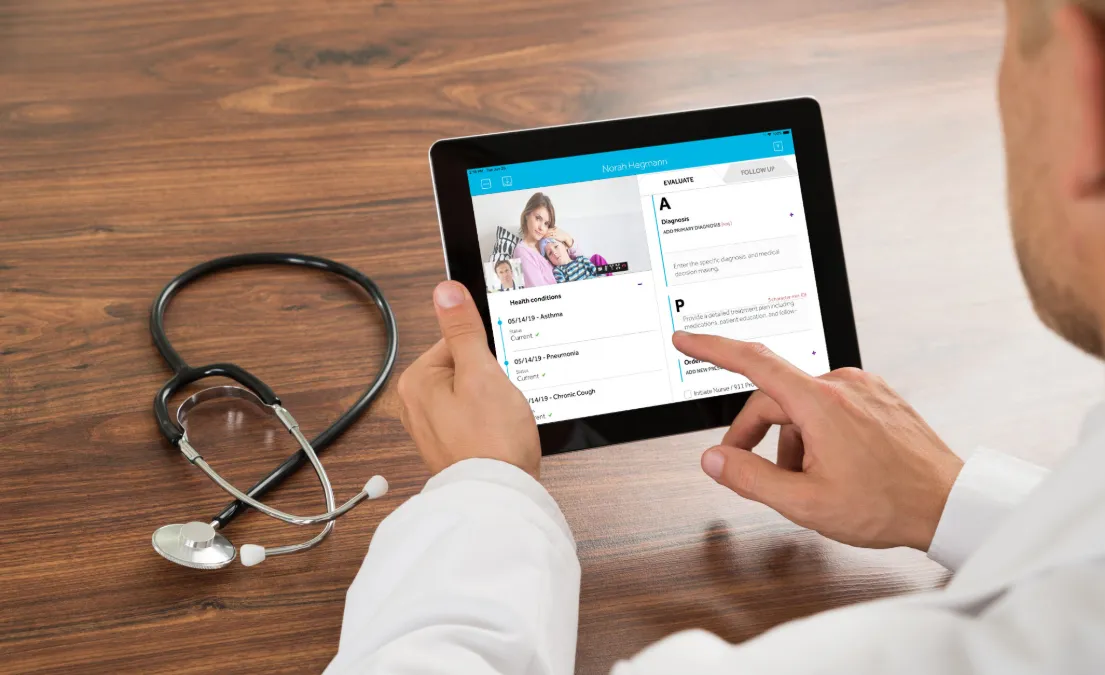
Remember when seeing a doctor meant sitting in a waiting room for 45 minutes, flipping through magazines from 2019? Those days aren’t completely gone, but they’re sharing space with something that would’ve seemed like science fiction a decade ago: healthcare from your couch.
Teledoc appointments have exploded in popularity, and it’s not hard to see why. The pandemic forced everyone to figure out digital alternatives to in-person care, and millions of people discovered something surprising. Virtual appointments actually work really well for a lot of medical needs. Now, whether you’re dealing with a persistent cough, need a prescription refill, or want to figure out how to chat online with a gp about that weird rash, there’s probably an app for that.
The Numbers Tell the Story
Healthcare went digital faster than anyone predicted. Before 2020, less than 1% of medical appointments happened virtually. By 2023, that number had jumped to somewhere between 15-20% depending on the specialty. That’s millions of consultations happening over screens instead of examination tables.
People love the convenience. You can see a doctor during your lunch break without leaving your desk. Parents can get their kids checked out without bundling everyone into the car. Rural patients can access specialists hundreds of miles away without the drive.
What Can You Actually Do Over Video?
Teledoc appointments aren’t just for minor issues anymore. Here’s what commonly gets handled virtually:
- Skin conditions (dermatology is huge in telehealth)
- Mental health counseling and psychiatric appointments
- Prescription renewals for chronic conditions
- Post-surgery follow-ups
- Nutrition counseling
- Physical therapy check-ins
Sure, your doctor can’t take your blood pressure through the screen or listen to your lungs. But they can see that rash, evaluate your range of motion, and ask all the right diagnostic questions. Many conditions don’t require hands-on examination, especially for initial consultations or ongoing care.
The Technology Got Better and Better
Early teledoc platforms were clunky. Connections dropped. Audio lagged. It was frustrating for everyone involved.
Now? The technology is smooth. Most platforms work seamlessly on your phone, tablet, or computer. Video quality is clear. Some services even integrate with devices you have at home, like blood pressure monitors or pulse oximeters, so you can share real-time data during your appointment.
Insurance companies caught up too. Most plans now cover telehealth the same way they cover in-person visits. That removed a major barrier.
The Human Element Still Matters
Here’s something interesting: many patients report feeling like their doctors listen better during video appointments. Maybe it’s because there’s less rushing. Maybe it’s the one-on-one nature of the screen. Whatever the reason, satisfaction rates for teledoc visits are surprisingly high.
Doctors have adapted too. They’ve learned to read body language through cameras and ask more detailed questions to compensate for what they can’t physically examine. The good ones make you forget you’re not in the same room.
Where We Go from Here
Teledoc appointments aren’t replacing traditional healthcare. They’re expanding it. You’ll still need in-person visits for procedures, comprehensive physicals, and anything requiring imaging or lab work. But for everything else? The option to connect from home isn’t going anywhere.
The future probably looks like a hybrid model. Quick concerns get handled virtually. Complex cases get the full in-person treatment. And you get to choose what makes sense for your situation.
Healthcare is finally catching up to how we live the rest of our digital lives. About time.

Ferderik Moller is a passionate blogger with expertise in massages, relationships, and festivals. He shares unique insights, expert tips, and creative ideas to nurture well-being, strengthen bonds, and elevate the joy of celebrations and special moments.