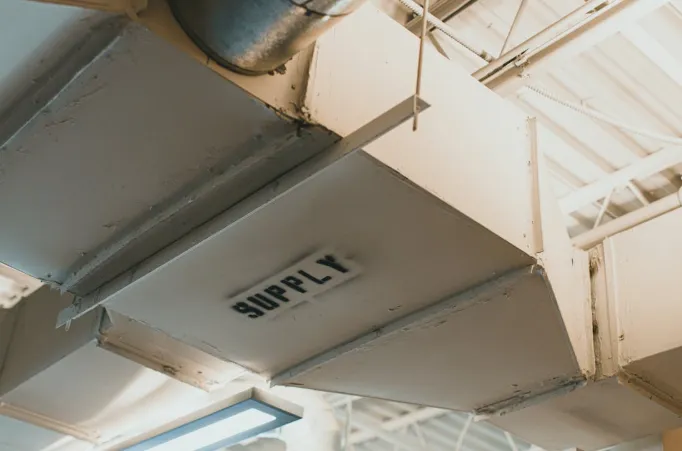
From residential or commercial buildings, ventilation systems play an essential role in maintaining healthy indoor environments. However, many buildings still rely on traditional and outdated ventilation materials and components.
Understanding the potential safety risks with legacy ventilation materials is the first step towards creating a safe and healthy indoor environment. Whether you’re a building owner, a facility manager, or someone who has experienced the health consequences of legacy ventilation materials, this guide will offer clarity.
Let’s unpack the common safety concerns with legacy ventilation materials and what you can do to stay safe:
What are Legacy Ventilation Materials?
Legacy ventilation materials are traditional components used in HVAC or building air exchange systems. These materials were widely used due to their durability and resistance to external elements.
Examples of legacy ventilation materials include:
Galvanized steel. It was widely used in HVAC ductwork due to its strength and corrosion resistance.
Aluminum. It was commonly used for vents and grilles due to its lightweight nature. Aluminum was particularly used in coastal or humid environments.
Polypropylene. It was used in specialized, high-corrosion environments (such as laboratories or chemical plants) as a durable, non-corrosive alternative to metal.
Fiberglass. It was used in older or specific ductwork applications.
Let’s clear one thing: We aren’t questioning the features of legacy ventilation materials. The issue is the effects of these materials on health and the environment.
Hazardous Materials and Health Risks
Older HVAC ducts, insulation, and ventilation components often had asbestos. It was utilized for its heat resistance, durability, and insulating properties from the 1920s to the 1980s. When these ventilation materials are damaged, frayed, or disturbed, microscopic asbestos fibers get airborne. They can be inhaled by construction workers and property owners.
Using asbestos in air ducts leads to a bunch of life-threatening illnesses, such as mesothelioma, lung cancer, and more. Asbestos fibers lodge deep in the lungs, where they cannot be broken down by the body.
While asbestos was banned in the 1980s, buildings still had contaminated ventilation systems installed. As a result, thousands of people have been affected by asbestos-related illness. If you or a loved one has been exposed to asbestos due to someone’s negligence and has now developed an illness, you can file a claim for compensation.
Reach out to a reliable law firm like ELSM Law for more information.
Contaminant Buildup
Legacy systems often harbor accumulated dirt, dust, mold, and mildew. Prolonged exposure to these elements can lead to “sick building syndrome,” causing symptoms like:
- Headaches
- Dizziness
- Irritation
- Respiratory issues
Structural Issues
Older ventilation materials weren’t always built to last. For instance, non-metallic ducts may corrode or degrade. This can lead to air leaks, inefficient airflow, and failure to meet modern fire safety standards.
Replacing legacy ventilation systems with modern, compliant materials is important for your health.
Fire Hazards
Lastly, outdated ventilation systems can fail to contain fire or smoke. They might not be designed to handle the high-intensity fires common in modern residential settings, which feature more synthetic fuel loads.

Ferderik Moller is a passionate blogger with expertise in massages, relationships, and festivals. He shares unique insights, expert tips, and creative ideas to nurture well-being, strengthen bonds, and elevate the joy of celebrations and special moments.