Modern supply chains rely on precise coordination between forecasting, production, and distribution. Two essential systems that support this coordination are S&OP Software and demand planning tools. Although they share a common goal of improving efficiency, their roles and scope differ significantly.
Understanding the Purpose of Each System
Demand planning tools primarily focus on forecasting customer demand using historical data, statistical models, and market trends. They help organizations anticipate future needs so production and procurement can be aligned with expected sales.
S&OP Software , on the other hand, integrates demand forecasts with supply, financial, and operational plans. It builds consensus across departments, ensuring that strategic objectives match real-world capabilities.
Core Functional Differences
The most obvious distinction lies in scope. Demand planning tools are tactical, dealing with short- to medium-term forecasting. S&OP systems are strategic, linking long-term business goals to operational execution.
- Demand planning tools generate forecasts using statistical and machine learning models.
- S&OP solutions combine these forecasts with supply plans, budgets, and performance metrics.
- While demand planning may operate within a single department, S&OP requires cross-functional collaboration.
Data Integration and Collaboration
Effective planning requires consistent data across the organization. Demand planning tools usually focus on accuracy in forecasting, often pulling data from sales and historical records. They might not integrate deeply with financial or capacity planning systems.
S&OP platforms emphasize collaboration. They connect information from sales, operations, finance, and logistics, fostering transparency and shared accountability. This holistic view supports scenario planning and risk assessment, enabling better decision-making under uncertainty.
Impact on Business Performance
When organizations rely solely on demand planning, they often achieve reliable forecasts but may struggle with alignment across departments. The lack of integration can cause bottlenecks in production or overstocking in warehouses.
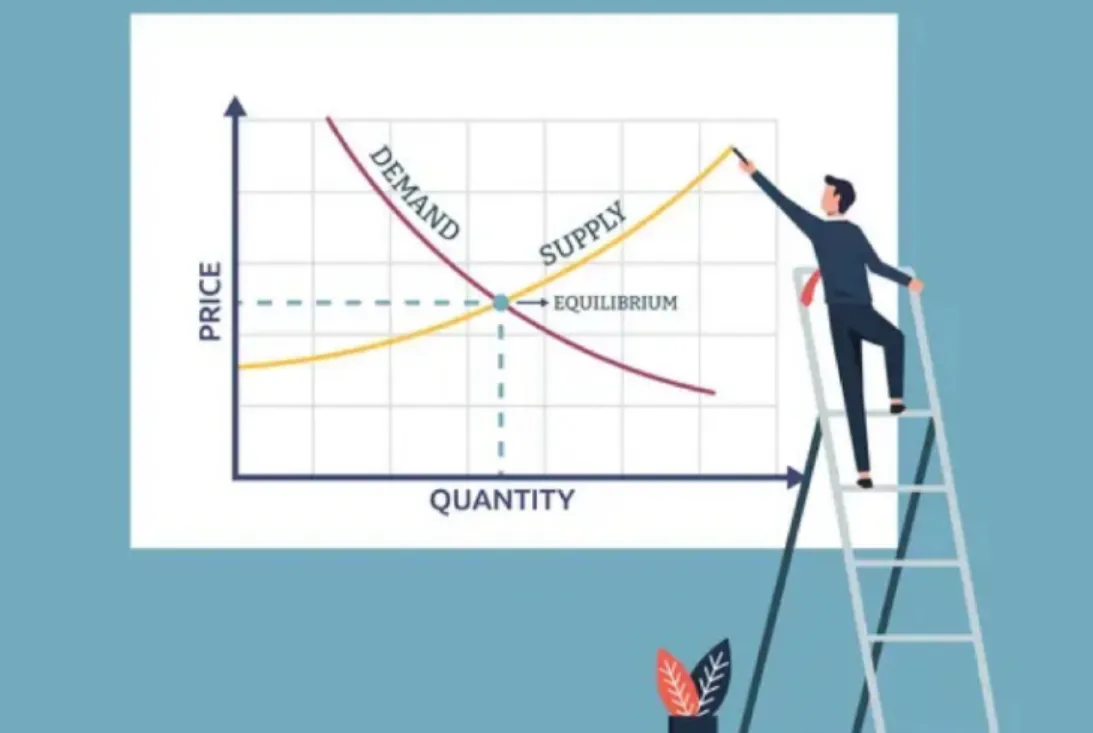
By using Inventory Optimization within the broader S&OP framework, companies can balance supply with demand more effectively. This approach reduces carrying costs, minimizes stockouts, and improves cash flow.
Technology and Implementation Considerations
Demand planning tools are typically easier to implement since they focus on forecasting processes. They are suitable for businesses seeking to refine demand accuracy before scaling to an enterprise-level planning environment.
S&OP systems, in contrast, require broader change management. They involve multiple stakeholders, governance structures, and periodic review cycles. Successful implementation often depends on leadership commitment and data quality.
Choosing the Right Approach for Your Organization
Selecting between these systems depends on business maturity and strategic priorities. Smaller or less integrated operations may start with demand planning tools to build forecasting discipline. As coordination needs grow, adopting full S&OP Software helps align all functions toward shared goals.
Organizations aiming for long-term resilience often combine both systems. Demand planning provides the analytical foundation, while S&OP turns insights into cohesive action plans. Together, they create a synchronized supply chain capable of adapting to market changes and maintaining strong operational performance.

Ferderik Moller is a passionate blogger with expertise in massages, relationships, and festivals. He shares unique insights, expert tips, and creative ideas to nurture well-being, strengthen bonds, and elevate the joy of celebrations and special moments.