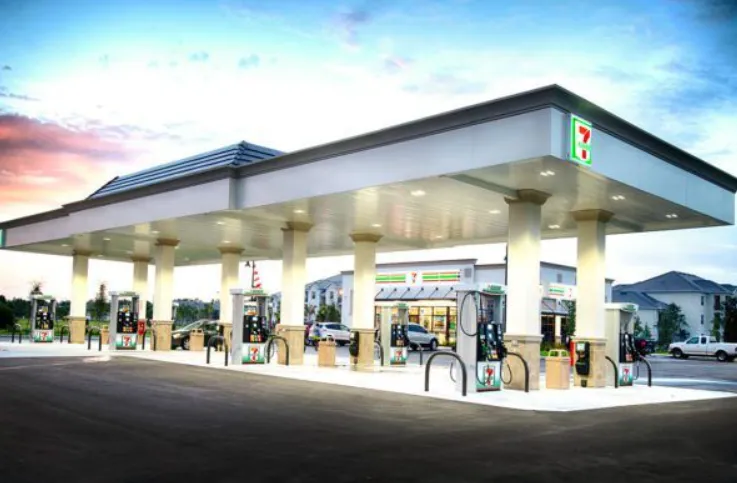
Fuel is one of the biggest costs for any business running vehicles. In Australia, fleet fuel spending can easily eat 20–30% of total operating costs. That’s a real problem when margins are tight. Many businesses try to manage this with spreadsheets and receipts. It doesn’t work. 7 Eleven fuel card benefits offer a different path — one built around control, visibility, and savings that actually show up in your accounts.
What Makes the 7-Eleven Network Worth Considering?
7-Eleven runs over 750 fuel sites across Australia. That’s wide coverage, especially in metro areas. For fleets operating in cities like Melbourne, Sydney, and Brisbane, drivers are rarely far from a site. Convenience matters. If your drivers spend time searching for an accepted fuel station, that’s dead time. A big network cuts that problem down.
How Does the Card Actually Save Money?
Discounts are the headline feature. 7-Eleven fuel card users typically access per-litre discounts at the pump. Even a 3–4 cent discount per litre adds up fast. A fleet doing 5,000 litres a month saves around $150–$200 monthly at those rates. Over a year, that’s real money back in the business. Some programs also offer fixed pricing or capped rates, which protect against sudden price spikes.
What Control Does It Give Fleet Managers?
This is where fuel cards beat cash and personal cards. You can set spending limits per vehicle or per driver. You can restrict purchases to fuel only, blocking snacks or other store items. Every transaction is logged with the time, location, amount, and litres purchased. That data feeds directly into reports you can actually use. If a driver fills up twice in one day on the same route, you’ll see it. That kind of oversight is hard to fake.
Is Reporting Actually Useful or Just Data Noise?
Good fuel card reporting answers specific questions. How much did Vehicle 7 spend last month? Which driver has the highest cost-per-kilometre? Where are we spending outside normal hours? The 7-Eleven card ties into platforms that give fleet managers consolidated statements. According to industry data, businesses using fleet fuel cards reduce fuel-related admin time by up to 40%. That’s hours saved per week.
Does It Work for Small Fleets Too?
Yes. You don’t need 50 vehicles to benefit. Even a 3-car trade business can cut costs with a fuel card. The controls stop personal use on business vehicles. The reports make tax time easier. The discounts apply from day one. Small fleets often see the highest per-vehicle ROI because every dollar saved matters more when you’re running lean.
What Are the Honest Limitations?
The 7-Eleven card is strong in city coverage but thinner in regional areas. If your fleet runs long-haul routes or services rural customers, you’ll hit coverage gaps. Fees also vary by provider and usage. Read the fine print on monthly account fees and any minimum spend requirements. Comparing it against other fleet programs before committing is a smart move, not a complicated one.
How Does It Compare to Managing Without a Card?
Without a fuel card, most businesses rely on reimbursements or company credit cards. Both create problems. Reimbursements are slow and hard to audit. Credit cards don’t restrict fuel-only spending. Neither gives you real-time data on where fuel money is going. A dedicated fuel card changes the structure entirely. The money stays traceable, the controls are built in, and the reporting runs itself.

Ferderik Moller is a passionate blogger with expertise in massages, relationships, and festivals. He shares unique insights, expert tips, and creative ideas to nurture well-being, strengthen bonds, and elevate the joy of celebrations and special moments.