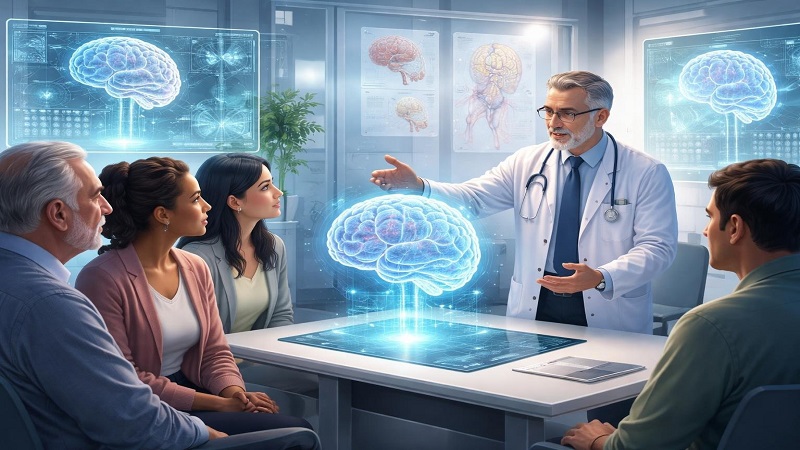
Brain cancer treatment has evolved significantly, offering patients more sophisticated options than ever before. These advances bring new possibilities for better outcomes, but they also require careful consideration and preparation. Patients considering advanced treatments need to understand what lies ahead, from eligibility requirements to potential risks and benefits.
Before pursuing any advanced brain treatment, patients should gather comprehensive information about their specific tumor type, discuss all available options with their medical team, and understand both the potential outcomes and side effects of each approach. Making informed decisions requires clear communication with healthcare providers and a realistic understanding of what each treatment involves.
Advanced brain treatments encompass various approaches, from precision surgery and targeted therapies to immunotherapy and emerging technologies. Each option carries its own considerations regarding effectiveness, recovery time, and impact on quality of life. Knowing what questions to ask and what factors to evaluate helps patients navigate these complex decisions with confidence.
Essential Information Patients Must Know Before Advanced Brain Treatments
Understanding the fundamentals of brain tumor classification, diagnostic procedures, treatment mechanisms, and the specialized medical professionals involved helps patients make informed decisions about their care. Each component plays a distinct role in developing an effective treatment strategy tailored to individual circumstances.
Types of Brain Tumors and Their Classifications
Brain tumors fall into two main categories: primary brain tumors that originate in the brain itself and metastatic brain tumors that spread from cancer elsewhere in the body. Primary brain tumors include gliomas, meningiomas, and pituitary adenomas, among others.
Medical professionals classify brain tumors by grade, ranging from Grade I to Grade IV. Lower-grade tumors grow slowly and may be less aggressive, while Grade IV tumors grow rapidly and require immediate intervention. The grade determines treatment urgency and approach.
Metastatic brain tumors are more common than primary brain tumors in adults. These tumors typically originate from lung cancer, breast cancer, melanoma, or colon cancer. The location, size, and number of tumors significantly affect treatment planning and prognosis.
Understanding Your Diagnosis: Imaging and Testing
A cancer diagnosis begins with a physical examination and detailed imaging studies. CT scans provide initial visualization of brain abnormalities and help detect bleeding, calcifications, or fluid accumulation. MRI scans offer more detailed images and remain the preferred method for examining brain tumors.
Advanced imaging techniques include functional MRI, PET scans, and MR spectroscopy. These tests reveal tumor metabolism, blood flow patterns, and the relationship between tumors and critical brain structures.
Molecular testing of tumor tissue has become standard practice. These tests identify specific genetic mutations and biomarkers that influence treatment decisions. Results guide the selection of targeted therapies and help predict treatment response.
How Advanced Brain Treatments Work
Surgery aims to remove as much tumor tissue as safely possible while preserving brain function. Neurosurgeons use neuronavigation systems that create 3D brain maps and track instrument positions during procedures. Intraoperative monitoring protects critical brain areas during tumor removal.
Radiation oncology delivers precise radiation doses to tumor cells while minimizing exposure to healthy tissue. Newer techniques include stereotactic radiosurgery, which treats small tumors with highly focused radiation beams in one or few sessions.
Chemotherapy and targeted therapies attack cancer cells through different mechanisms. Some medications block specific proteins that fuel tumor growth. Others boost the immune system’s ability to recognize and destroy cancer cells. Treatment selection depends on tumor type, grade, and molecular characteristics.
The Role of the Multidisciplinary Care Team
A multidisciplinary team coordinates comprehensive care for patients with brain tumors. This care team includes specialists from different medical disciplines who collaborate on treatment planning.
The neurosurgeon performs surgical procedures and manages post-operative care. A neurologist monitors neurological function and manages symptoms such as seizures. The neuro-oncologist specializes specifically in brain cancer treatment and coordinates overall cancer care.
The radiation oncologist designs and oversees radiation treatment plans. Radiation therapists deliver daily radiation treatments, while radiation nurses provide education and manage treatment side effects. An oncologist may join the team when systemic therapies are needed.
Each team member brings specialized expertise to address different aspects of brain tumor treatment. Regular team meetings ensure all providers remain informed about patient progress and can adjust treatment plans accordingly.
Advanced Brain Tumor Treatment Options and What to Expect
Modern brain tumor treatment relies on surgical innovations, targeted radiation techniques, systemic therapies including chemotherapy and immunotherapy, and personalized approaches that match treatments to individual tumor characteristics. Treatment planning involves coordination between neurosurgeons, medical oncologists, and radiation specialists to determine the most effective combination of therapies.
Surgical Advances: Procedures and Innovations
Craniotomy remains the primary surgical approach for brain tumor removal, but technological advances have made neurosurgery more precise and effective. Intraoperative MRI allows surgeons to visualize tumor margins during the procedure, helping maximize tumor removal while preserving healthy brain tissue. The technology provides real-time imaging that guides surgical decisions.
Laser Interstitial Thermal Therapy (LITT) offers a minimally invasive alternative for tumors in difficult-to-reach locations. This procedure uses laser energy to heat and destroy tumor tissue through a small skull opening. LITT particularly benefits patients with tumor recurrence or those who cannot undergo traditional craniotomy.
Image-guided operating suites combine advanced imaging equipment with interventional surgical systems. These facilities enable surgeons to track instruments in three-dimensional space and adjust their approach based on intraoperative findings. The precision reduces surgical risks and improves outcomes for complex cases.
Radiation Therapy Strategies and Planning
Stereotactic radiosurgery (SRS) delivers high-dose radiation to precise tumor locations in one or few sessions. Despite its name, SRS is not traditional surgery but a focused radiation technique. This approach works well for small tumors and those near critical brain structures.
External beam radiation therapy delivers treatment over multiple sessions, typically five days per week for several weeks. Proton therapy, a specialized form of external beam radiation, uses proton beams that deposit most energy directly at the tumor site with minimal exit dose.
Patients attend a simulation appointment before beginning radiation therapy to the brain. During this visit, the treatment team creates a customized mask or positioning device and performs imaging to map the exact treatment area. Adaptive radiation techniques allow adjustments to the treatment plan as the tumor responds or changes shape.
Systemic Treatments: Chemotherapy, Targeted Therapy, and Immunotherapy
Temozolomide is the most commonly used chemotherapy for brain tumors, particularly glioblastoma. Patients typically take this oral medication in cycles, coordinated with radiation therapy. Chemotherapy crosses the blood-brain barrier to attack tumor cells throughout the brain.
Targeted drug therapy focuses on specific molecular abnormalities within tumor cells. Precision medicine approaches analyze tumor biomarkers to identify which targeted therapies may work best. These treatments block specific pathways that cancer cells use to grow and divide.
Immunotherapy options include checkpoint inhibitors that help the immune system recognize and attack tumor cells. Cancer vaccines train the immune system to target specific tumor antigens. Tumor treating fields represent an emerging treatment that uses electrical fields to disrupt cancer cell division, worn as a device on the scalp.
Personalized Approaches, Clinical Trials, and Emerging Technologies
Treatment selection depends on tumor location, grade, biomarkers, and the extent of possible surgical resection. A surgeon evaluates whether complete or partial removal is feasible. The medical oncologist determines appropriate systemic therapies based on molecular testing results.
Clinical trials provide access to emerging treatments not yet widely available. These studies test new combinations of existing therapies, novel drugs, and innovative technologies. Patients should discuss trial eligibility with their care team, as participation may offer additional treatment options.
Managing side effects requires proactive planning throughout treatment. Brain cancer treatment can cause fatigue, cognitive changes, seizures, and other neurological symptoms. The care team monitors for complications and adjusts supportive medications as needed. Treatment plans evolve based on how the tumor responds and which side effects emerge.

Ferderik Moller is a passionate blogger with expertise in massages, relationships, and festivals. He shares unique insights, expert tips, and creative ideas to nurture well-being, strengthen bonds, and elevate the joy of celebrations and special moments.