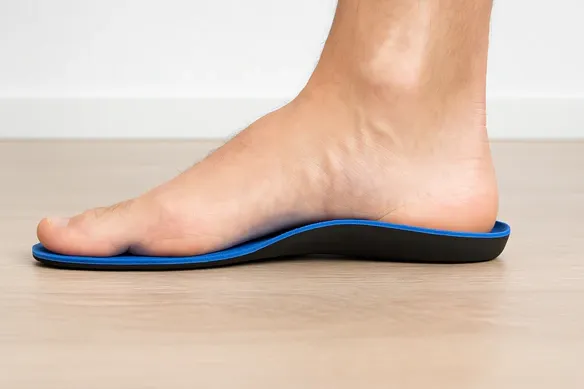
Not every orthotic clinic operates the same way. The difference between a good outcome and a great one often comes down to assessment quality, material selection, and the expertise behind the fabrication. custom orthotics by Orthotics Plus are built on a clinical model that prioritizes biomechanical precision over one-size-fits-most solutions. If you’re dealing with foot pain that generic options haven’t fixed, understanding what a specialist-grade provider actually does differently is worth your time.
What Makes a Clinical Assessment Different?
Most pharmacy insoles skip the assessment entirely. Orthotics Plus starts with a full biomechanical evaluation. This includes gait analysis, joint range of motion testing, postural assessment, and pressure mapping. Pressure mapping alone shows exactly where your foot distributes load during standing and walking. That data drives the entire design of the orthotic. You can’t build a targeted solution without targeted data. That’s not opinion. It’s engineering logic.
What Conditions Do They Target?
Orthotics Plus designs orthotics for a specific list of conditions, not a vague general category. Plantar fasciitis, tibialis posterior dysfunction, Achilles tendinopathy, metatarsalgia, and diabetic foot complications all require different orthotic profiles. Plantar fasciitis orthotics, for instance, require medial arch support with heel cushioning. Metatarsalgia needs a metatarsal dome to offload the ball of the foot. Getting the design wrong doesn’t just waste money. It can make the condition worse.
What Materials Are Actually Used?
The material determines function. High-density EVA foam works well for cushioning and shock absorption. Carbon fibre is used for rigid control in high-performance applications. Polypropylene sits in the middle, offering firm control with some flex. Orthotics Plus selects materials based on body weight, activity level, and the specific pathology being treated. A 90kg construction worker and a 60kg distance runner need completely different material profiles, even if they have the same diagnosis.
How Long Does the Process Take?
From initial consultation to receiving the finished orthotic typically takes one to two weeks. The assessment is thorough, the lab fabrication is precise, and the fitting appointment includes adjustments. This is not a 15-minute walk-in process. The time investment is part of what makes it work. According to Orthotics Plus, most patients report meaningful pain reduction within the first four to six weeks of consistent use.
Are the Orthotics Covered by Health Insurance?
In Australia, custom orthotics are typically claimable under extras health cover, with rebates varying by provider and tier. Some DVA and WorkCover plans cover full costs. The Australian Podiatry Association confirms that podiatrist-prescribed orthotics qualify for private health rebates in most cases. Orthotics Plus advises patients to check their specific policy before the consultation so there are no billing surprises.
Why Does Targeted Support Matter More Than Cushioning?
Cushioning treats discomfort. Targeted support corrects the mechanics causing the discomfort. That distinction matters because cushioning degrades, while proper alignment produces lasting biomechanical changes over time. Research published in Clinical Biomechanics found that patients using custom orthotics for 12 months showed measurable improvements in gait symmetry, not just reduced pain. That’s a functional outcome, not just a comfort outcome. That’s the goal.

Ferderik Moller is a passionate blogger with expertise in massages, relationships, and festivals. He shares unique insights, expert tips, and creative ideas to nurture well-being, strengthen bonds, and elevate the joy of celebrations and special moments.