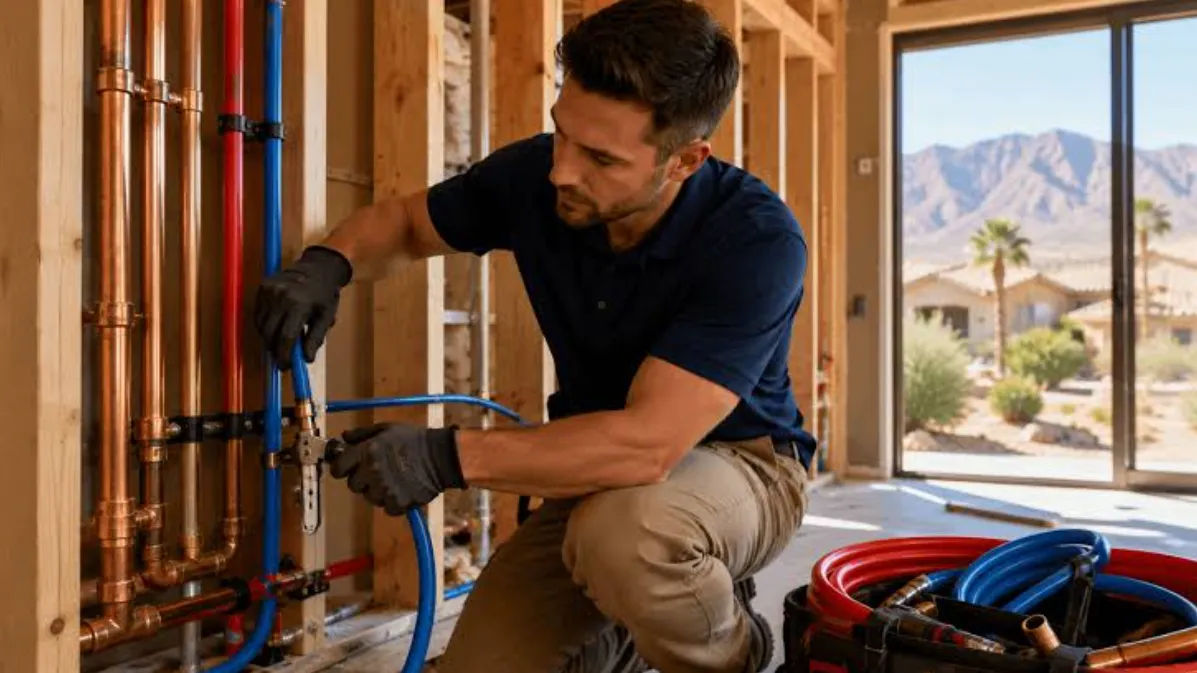
Most homeowners assume a repipe is just a plumbing job. The contractor shows up, pulls the old pipes, installs new ones, and that’s it. Simple enough.
But there’s one step that quietly determines whether that work protects you or quietly creates serious problems down the road: the permit.
Skipping a permit on a whole-house repipe is one of the most common ways homeowners unknowingly expose themselves to insurance complications, failed home inspections, and out-of-pocket costs that dwarf whatever was saved up front. According to the National Association of Realtors, unpermitted work is one of the leading issues that derail real estate transactions, and plumbing ranks among the most scrutinized systems in any home sale.
If you’re dealing with aging galvanized pipes, recurring leaks, or low water pressure, understanding how permits work in the context of residential repiping will help you make a far better decision than most homeowners do.
What a Permit Actually Does in a Repiping Project
A building permit isn’t just paperwork. It’s a formal record that the work on your home was reviewed, inspected, and approved against the current local code.
When a licensed plumber pulls a permit for a whole-house repipe, they’re committing to a scope of work that will be reviewed by a municipal inspector. That inspector checks the installation for code compliance, pressure integrity, and correct materials before the walls are closed up. It’s an independent quality check that protects the homeowner, not just the municipality.
In Houston and the surrounding counties, including Harris, Montgomery, Fort Bend, and Galveston, most whole-house repiping projects require a plumbing permit. The specific requirements vary by jurisdiction, so what applies in Sugar Land may differ slightly from what’s required in Pearland or Katy. A licensed plumbing contractor will know exactly what’s needed in your area.
What the Inspection Actually Checks
The permit inspection process in a repipe typically covers:
- Correct pipe material and sizing for each water line in the home
- Proper connection methods at fixtures, valves, and appliances
- Pressure testing results to confirm no leaks exist before walls close
- Compliance with local amendments to the International Plumbing Code or Texas State Plumbing Code
Each of these checks exists because errors in any one area can cause slow leaks inside walls, contamination of water supply lines, or premature pipe failure.
The Real Risk of Unpermitted Repiping Work
Here’s where many homeowners get a rude awakening: unpermitted work doesn’t stay hidden forever.
Homeowner’s insurance policies typically exclude coverage for damage caused by unpermitted work. So if a water line installed without a permit fails three years later and floods your subfloor, your insurer has grounds to deny the claim. That’s not a hypothetical edge case. It happens regularly, and the cost of water damage remediation, flooring replacement, and mold treatment can run into the tens of thousands.
Beyond insurance, unpermitted plumbing creates a disclosure obligation in most states. Texas law requires sellers to disclose known unpermitted work to buyers. If a home inspector finds evidence of a major repipe with no permit on record, that’s a flag that triggers renegotiation, delayed closings, or a complete deal collapse. At that point, the homeowner is often forced to pay for a second repipe done properly or accept a significant price reduction.
The math rarely works out in favor of the shortcut.
How Permits Connect to Material and Workmanship Standards
A permit doesn’t just authorize the work. It also locks in the material standard that was current at the time of installation.
This matters because not all pipe materials are equal, and building codes reflect that. Uponor PEX-A, for example, is widely used in professional residential repiping because of its flexibility, freeze resistance, and long-term durability. It’s also a material that meets or exceeds code requirements across most Texas jurisdictions.
By contrast, some older or lower-grade materials that a non-specialist plumber might use to cut costs may not meet current standards. When an inspector reviews a permitted repipe, they confirm that what was installed is what should have been installed. That’s a layer of protection no verbal quote can provide.
The permit record also becomes part of the home’s history. Future buyers, appraisers, and insurance underwriters can pull that record and see that the plumbing was replaced, inspected, and passed. That’s a real and documentable value-add to the property.
The Contractor Question: Who Pulls the Permit?
This is where homeowners often get misled. Some contractors tell a homeowner they can pull the permit themselves as the property owner, which saves the contractor the paperwork. While owner-pulled permits are technically legal in some situations, they create a serious problem: the homeowner assumes all liability for the work instead of the licensed plumber.
When a licensed plumbing contractor pulls the permit, their license is on the line. That changes the incentive structure significantly. They have legal and professional skin in the game, which means the work gets done right.
If a contractor suggests you pull your own permit to “speed things up” or “save money,” that’s a warning sign worth taking seriously. A reputable specialist will handle the permit process as part of the project scope, not hand it off to the homeowner.
For situations where a full repipe isn’t yet needed, or where targeted work is required alongside a larger project, a licensed contractor handling repipe repair services should still pull the appropriate permits for any significant plumbing work, even for smaller-scale fixes.
Permits, Warranties, and Long-Term Protection
Most manufacturers of premium pipe materials, including Uponor, require that installation follow their guidelines and applicable codes. If a pipe failure occurs and the installation was done without a permit, the manufacturer may deny a warranty claim on the grounds that proper installation protocol wasn’t followed.
This is a detail most homeowners never think about until they need to make a claim. A permitted repipe creates a clean chain of accountability: the material, the installation, the inspection, and the warranty all connect. Unpermitted work breaks that chain at the very first link.
A transferable lifetime warranty on a repipe, which some specialist contractors include as standard, only holds value if the underlying work was done to code and permitted correctly. Otherwise the warranty is effectively unenforceable.
What to Ask Before Signing Any Repipe Contract
Before you commit to any whole-house repiping project, these are the questions that matter:
- Will you pull the permit? The contractor should handle this, not the homeowner.
- Which jurisdiction handles the permit in my area? This varies by city and county in greater Houston.
- When will the inspection be scheduled? It should happen before walls are closed.
- Is the permit cost included in the quote? Some contractors add it as a surprise line item later.
- What pipe material is listed on the permit? Confirm it matches what will actually be installed.
Getting clear answers to these questions before signing separates professional contractors from those who treat permits as optional.
Key Takeaways
- A permit for residential repiping creates an independent inspection record that protects you from substandard work.
- Unpermitted plumbing work can void homeowner’s insurance coverage and create legal disclosure obligations during a home sale.
- The contractor, not the homeowner, should pull the permit so the licensed plumber carries the liability.
- Permitted work creates a documented chain from materials to installation to inspection, which supports both manufacturer warranties and future property value.
- Asking the right questions before signing a contract is the simplest way to avoid the most costly repiping mistakes.
Frequently Asked Questions
Do all whole-house repipes in Houston require a permit? Most do, but the specific requirements depend on your city or municipality. Areas within incorporated cities like Houston, Sugar Land, and Pearland typically have clear permit requirements administered by their local building departments. Unincorporated areas in Harris or Montgomery County may have different rules. A licensed plumber working in your area will know what’s required for your specific address.
How long does the permit and inspection process take? In most greater Houston jurisdictions, pulling a permit takes a day or two. The inspection is typically scheduled during or shortly after the installation. A professional contractor will build this into the project timeline so it doesn’t add significant delays to the overall job.
Can I check whether my previous repipe was permitted? Yes. Most municipalities maintain online permit databases searchable by address. You can also request permit history records from your local building department. If no permit appears for major plumbing work you know was done, that’s worth addressing before you list the home for sale or make an insurance claim.
What happens if I buy a home and discover the previous repipe was unpermitted? Your options typically include getting a retroactive inspection (if the jurisdiction allows it), re-doing the work with a permit, or negotiating with the seller for a price adjustment to cover the cost of remediation. A licensed plumber can advise on the most practical path based on your local rules.
Does a permit inspection guarantee the work is perfect? Not absolutely, but it significantly reduces the risk of a major installation error going undetected. Inspectors check the most critical aspects of the installation, and the permit record creates accountability for the contractor. It’s a meaningful safeguard, not a guarantee of perfection.
Conclusion
Permits are easy to overlook when you’re focused on the disruption of a whole-house repipe, the cost, the timeline, and the mess. But the permit is the part of the process that makes everything else defensible.
A properly permitted repipe is documented, inspected, code-compliant, and traceable. That matters when you need to file an insurance claim, sell your home, or call a warranty. A repipe done without one might look identical on the surface, but it carries risks that tend to surface at the worst possible time.
If you’re planning a repipe or trying to understand whether your current plumbing situation warrants one, talking to a licensed specialist is the right first step. The team at repipe solutions handles permitting as part of every project, so homeowners don’t have to navigate that process alone.

Ferderik Moller is a passionate blogger with expertise in massages, relationships, and festivals. He shares unique insights, expert tips, and creative ideas to nurture well-being, strengthen bonds, and elevate the joy of celebrations and special moments.