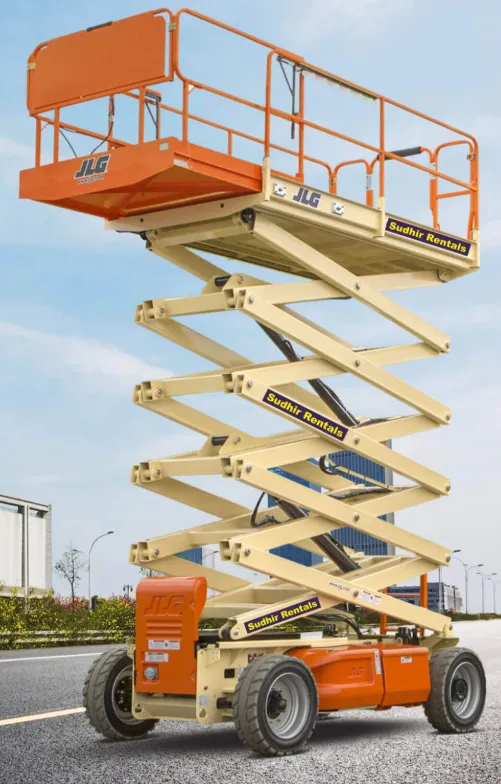
In today’s competitive commercial environment, efficiency, safety, and cost control are more important than ever. Businesses operating in construction, warehousing, facility management, manufacturing, and retail frequently require reliable elevated access solutions to complete tasks safely and efficiently. Rather than purchasing expensive equipment outright, many organizations are discovering that investing in scissor lift rental can transform how they manage projects, budgets, and operational flexibility.
Professional lift solutions provide access to modern equipment, reduce capital expenditure, and ensure compliance with evolving safety standards. Companies that specialize in equipment services, such as Tri-Lift Industries, Inc, help businesses secure dependable machines while also offering guidance, maintenance support, and expertise that go far beyond simply delivering equipment. By leveraging rental solutions strategically, organizations can remain agile, productive, and financially sound.
Cost Efficiency Without Capital Burden
One of the most compelling business advantages of renting equipment is financial flexibility. Purchasing aerial lifts requires significant upfront capital investment. Beyond the sticker price, ownership includes storage costs, transportation expenses, insurance, inspections, and ongoing maintenance. Equipment depreciation further reduces long-term asset value, especially as newer, more advanced models enter the market.
One of the primary reasons businesses turn to scissor lift rental is cost control. Renting allows organizations to allocate funds more strategically by converting large capital expenses into manageable operational costs. Instead of tying up thousands of dollars in equipment that may only be used periodically, companies pay for access only when needed. This approach is particularly valuable for contractors who manage multiple short-term projects with varying equipment requirements.
Additionally, rental agreements often include service and maintenance, which removes the unpredictable costs of repairs. Mechanical breakdowns can disrupt schedules and increase expenses, but rental providers typically handle maintenance responsibilities, ensuring uptime and reliability. This predictability allows businesses to budget with greater accuracy and reduce financial risk.
Access to Modern, Well-Maintained Equipment
Technology in aerial lift equipment continues to advance. Modern scissor lifts feature improved battery life, enhanced safety mechanisms, increased load capacities, and greater maneuverability. For companies that own older equipment, keeping pace with innovation can be expensive.
Professional rental providers maintain up-to-date fleets to remain competitive. This means businesses benefit from the latest safety features and performance improvements without bearing the burden of frequent upgrades. Access to modern equipment not only improves operational efficiency but also reduces downtime caused by outdated systems.
Working with experienced providers like Tri-Lift Industries, Inc ensures that rented lifts undergo regular inspections and preventative maintenance. Reliable equipment enhances productivity, as crews can focus on completing tasks rather than troubleshooting mechanical issues.
Flexibility for Changing Project Needs
Business demands fluctuate. A warehouse may need additional lift capacity during peak inventory seasons, while a contractor may require multiple lifts during a major installation project and none the following month. Purchasing equipment for every possible scenario leads to underutilized assets and unnecessary storage costs.
Rental solutions provide scalability. Businesses can increase or decrease equipment quantities based on project scope. If a job requires a specific platform height, load capacity, or indoor versus outdoor configuration, rental providers can match the right equipment to the task.
This adaptability is particularly important in industries where timelines shift unexpectedly. When project requirements change, rental companies can often provide alternative models quickly, helping prevent delays and maintain workflow continuity.
Enhanced Workplace Safety and Compliance
Beyond financial considerations, scissor lift rental plays a crucial role in workplace safety. Elevated work presents inherent risks, and using poorly maintained or outdated equipment increases the likelihood of accidents. Professional rental providers conduct routine inspections and adhere to strict maintenance schedules, ensuring that lifts meet current regulatory standards.
Compliance with occupational safety regulations is not optional. Businesses must meet inspection, certification, and operational requirements to protect employees and avoid penalties. Rental providers often supply documentation verifying maintenance history and compliance standards, simplifying audits and inspections.
Furthermore, reputable equipment companies frequently offer operator training resources. Proper training ensures employees understand load limits, safe operating procedures, and emergency protocols. This combination of reliable equipment and knowledgeable operators significantly reduces accident risk.
By partnering with experienced providers such as Tri-Lift Industries, Inc, organizations gain access not only to equipment but also to expert guidance that strengthens overall safety culture.
Reduced Maintenance Responsibility
Equipment ownership comes with ongoing responsibility. Routine servicing, part replacement, battery maintenance, hydraulic system checks, and annual inspections demand both time and skilled technicians. For businesses without in-house maintenance teams, these requirements can become burdensome.
Rental agreements typically include maintenance and repair services as part of the package. If equipment malfunctions, the rental provider handles repairs or arranges for a replacement unit. This minimizes downtime and keeps projects on schedule.
Eliminating maintenance responsibilities allows businesses to focus on their core operations. Instead of diverting staff resources to equipment management, companies can concentrate on productivity, customer satisfaction, and revenue growth.
Improved Productivity on Job Sites
Time is money, especially in industries where deadlines are tight and labor costs are significant. Reliable elevated access solutions allow crews to work more efficiently and complete tasks safely at height. Compared to ladders or scaffolding, scissor lifts provide stable platforms, greater mobility, and improved reach.
Across industries, scissor lift rental supports productivity by offering equipment tailored to specific environments. Electric models are ideal for indoor spaces due to quiet operation and zero emissions, while rough-terrain models are built for outdoor construction sites with uneven ground conditions.
Having the correct lift for each task reduces setup time and enhances worker confidence. Employees can transport tools and materials directly on the platform, minimizing repeated trips up and down ladders. This efficiency translates into faster project completion and lower labor costs.
When companies collaborate with established providers like Tri-Lift Industries, Inc, they gain access to expert recommendations that ensure the right equipment is selected from the start, preventing costly mismatches.
Supporting Short-Term and Specialized Projects
Not every project justifies long-term ownership of specialized equipment. Event setups, seasonal maintenance tasks, facility upgrades, and emergency repairs may require temporary elevated access. Purchasing equipment for these limited uses is rarely practical.
Rental options enable businesses to respond quickly to immediate needs without long-term commitment. Whether it is a one-day repair or a multi-week installation, flexible rental terms accommodate varying timelines. This responsiveness enhances customer satisfaction, particularly for service-based businesses that must address urgent client requests.
Additionally, certain projects demand specific platform heights or load capacities. Rental providers maintain diverse fleets, allowing businesses to access specialized equipment without maintaining extensive inventories themselves.
Environmental and Storage Advantages
Owning large equipment requires adequate storage space. Facilities must provide secure, weather-protected environments to prevent damage and theft. For businesses operating in limited warehouse space, dedicating square footage to infrequently used lifts can restrict other operations.
Rental eliminates long-term storage concerns. Equipment is delivered when needed and removed once the project concludes. This arrangement maximizes available facility space and reduces overhead related to property management.
Modern rental fleets also tend to include energy-efficient models, particularly electric scissor lifts that produce zero emissions during operation. By utilizing newer equipment, businesses can reduce their environmental footprint while maintaining performance standards.
Strengthening Cash Flow Management
Healthy cash flow is essential for business sustainability. Large capital purchases can strain finances, especially for small to mid-sized companies. Renting equipment helps preserve liquidity, enabling organizations to invest in growth initiatives such as hiring skilled staff, expanding services, or upgrading technology.
Because rental expenses are typically predictable and scheduled, they integrate smoothly into operational budgets. This stability supports better financial planning and reduces the risk associated with unexpected repair costs that often accompany ownership.
In competitive markets, maintaining strong cash flow can provide a strategic advantage. Companies that manage resources wisely are better positioned to pursue new contracts and adapt to changing industry conditions.
Risk Mitigation and Liability Reduction
Equipment ownership carries certain liabilities. Mechanical failure due to inadequate maintenance can result in injuries, project delays, and legal complications. By working with professional rental providers, businesses shift a portion of that responsibility to companies whose expertise lies in equipment care and compliance.
Reputable rental providers maintain detailed service records and adhere to rigorous inspection standards. This documentation can prove valuable if regulatory questions arise. Moreover, rental companies often carry insurance coverage related to equipment performance, adding another layer of protection.
Partnering with experienced organizations such as Tri-Lift Industries, Inc helps businesses mitigate operational risks while maintaining high performance standards.
Strategic Partnerships for Long-Term Success
While renting equipment may initially seem like a transactional arrangement, it often evolves into a strategic partnership. Providers who understand a company’s workflow, project types, and operational challenges can offer proactive recommendations and tailored solutions.
Long-term rental relationships frequently result in priority service, flexible contract terms, and improved response times. As trust develops, businesses gain confidence in their provider’s ability to support critical operations without interruption.
This collaborative approach transforms equipment rental from a simple expense into a value-driven service that supports broader organizational goals.
Adapting to Industry Trends
Industries are constantly evolving due to technological innovation, regulatory updates, and shifting market demands. Companies must remain adaptable to survive and thrive. Renting equipment allows organizations to stay aligned with industry trends without being locked into outdated assets.
As new lift models introduce improved safety features or enhanced efficiency, rental fleets often incorporate these advancements more quickly than individual owners can. Businesses that rely on rental solutions automatically benefit from fleet modernization efforts.
Across sectors facing rapid change, scissor lift rental provides the flexibility needed to respond quickly and remain competitive without overextending resources.
Conclusion
Ultimately, scissor lift rental is more than a short-term solution for reaching elevated work areas. It represents a strategic business decision that enhances cost efficiency, safety compliance, operational flexibility, and productivity. By converting large capital investments into manageable operating expenses, companies preserve cash flow and reduce financial risk. By accessing well-maintained, modern equipment, they improve reliability and worker confidence.
Professional rental partnerships deliver far more than machinery. They provide expertise, service support, regulatory guidance, and scalable solutions tailored to evolving project demands. Businesses that collaborate with experienced providers such as Tri-Lift Industries, Inc position themselves to meet challenges head-on while maintaining high standards of performance and safety.
In a marketplace where efficiency and adaptability define success, leveraging rental solutions empowers organizations to remain agile, competitive, and prepared for growth. Through thoughtful planning and the right partnerships, companies can transform elevated access from a logistical challenge into a powerful advantage.

Ferderik Moller is a passionate blogger with expertise in massages, relationships, and festivals. He shares unique insights, expert tips, and creative ideas to nurture well-being, strengthen bonds, and elevate the joy of celebrations and special moments.