Choosing the right whole-home generator involves understanding surge watts and running watts. These two types of power are critical when determining the appropriate generator size for your household necessities. It’s not just about keeping the lights on; it’s about ensuring your key appliances can start up and operate reliably. Whether you live in an area prone to outages or simply want peace of mind, knowing how to correctly size your generator can make all the difference. This guide delves into these concepts, providing essential insights to help you make an informed decision. We’ll also touch on real-world examples and essential tips to make your generator setup seamless and efficient.
What Are Surge Watts and Running Watts?
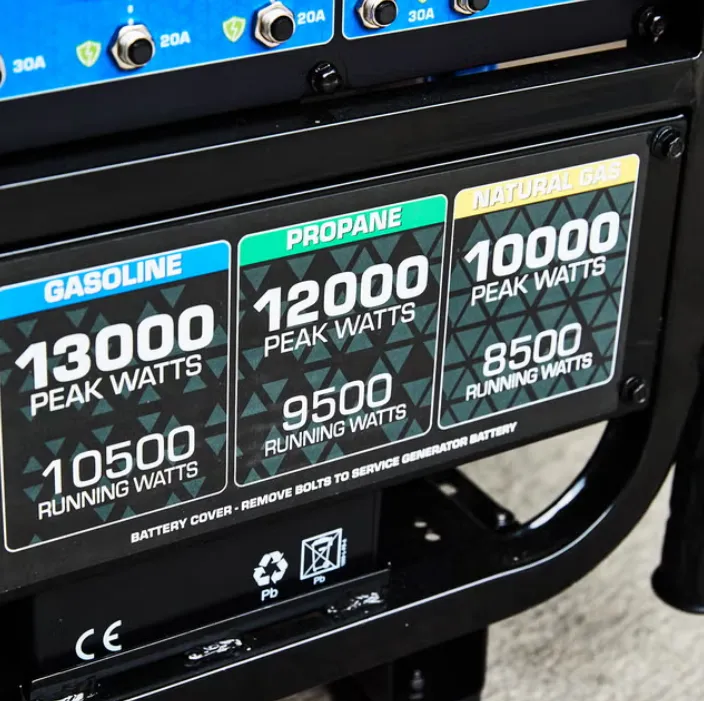
Surge watts and running watts are the two crucial power measurements in generators. They reflect different operational needs and capacities, influencing the generator’s performance for home use. Below is a breakdown of each.
Definition of Surge Watts (Starting Watts)
Surge watts, also known as starting watts, are the extra power needed for about 2-3 seconds to start motor-driven appliances. This temporary power surge is crucial for devices like refrigerators, air conditioners, and pumps, which require additional energy to overcome initial inertia. For example, up to 37.2kW (155 LRA) of surge power is necessary to start a 5-ton central air conditioning unit. Understanding this concept is essential because a generator must handle these momentary spikes without tripping or becoming overloaded. As demand for more home appliances grows, selecting a generator capable of delivering sufficient surge watts becomes increasingly important.
Definition of Running Watts (Continuous Power)
Running watts, or continuous power, refers to the level of wattage a generator can sustain over extended periods. This consistent output is what keeps your home appliances operational after the initial surge has passed. For instance, once a refrigerator has started, it relies on lower running watts to continue cooling efficiently. Ensuring your generator can deliver adequate running watts is vital for long-term usability, especially when managing simultaneous appliance operations. When sizing a generator, calculate the total running watts required by all essential devices to guarantee continuous and efficient performance throughout any power outage.
Why Surge Power Matters for Whole-Home Generators
Surge power is vital for whole-home generators as it ensures the smooth operation of critical appliances right from startup.
Starting Large Motor-Driven Appliances
Household appliances with large motors, such as HVAC systems, often draw more power during startup. For example, initiating a 5-ton air conditioner might require up to 37.2kW in surge power. If your generator can’t supply this, the appliance won’t start, affecting comfort and safety during power outages. The surge ensures that these important systems activate without causing brownouts or other electrical issues. Generators designed to handle these peaks prevent scenarios where restarting multiple appliances simultaneously becomes a nuisance or causes equipment strain.
Preventing Generator Overload and Power Failure
Managing power surges is essential to avoid generator overload, which can lead to system failure. Overloading happens when too many appliances with high starting wattage are activated simultaneously. If a generator cannot meet these demands, it risks shutting down or damaging appliances. To prevent this, choose a generator with sufficient surge wattage. This foresight protects your investment and secures your household’s energy supply during emergencies. Ensuring generators are not overstressed prevents costly repairs or replacements and maintains uninterrupted power flow.
Common Home Appliances and Their Surge vs Running Watts
Recognizing the energy demands of key home appliances helps select the right generator.
HVAC Systems, Air Conditioners, and Heat Pumps
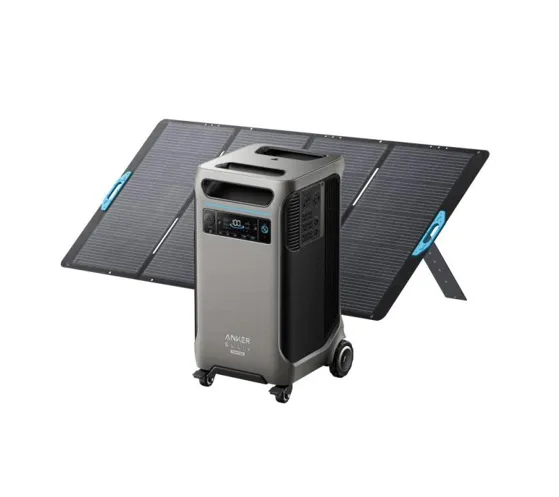
HVAC systems and heat pumps contribute significantly to a home’s comfort, particularly in extreme weather. Air conditioners, especially central units like a 5-ton AC, require up to 37.2kW (155 LRA) in surge power at startup. Once operational, the running wattage decreases drastically, requiring only a fraction of the startup power. This difference emphasizes the need for a generator that supports both steps. Dual systems, like two Anker SOLIX E10 units delivering 66kW, handle larger surges for homes with multiple systems. Proper planning ensures complete HVAC functionality during electricity outages.
Refrigerators, Sump Pumps, and Washing Machines
Appliances like refrigerators and sump pumps also exhibit distinct power demands. A refrigerator might require around three times its running watts to start. Power-hungry appliances like washing machines can also have substantial startup demands, though less than HVAC systems. Ensuring a generator that manages these simultaneous needs prevents issues during critical times. Consistent operation maintains perishable goods and prevents water damage during storms, vital for home safety and convenience. Understanding these needs helps homeowners choose a generator capable of comprehensive energy support.
Tips for Choosing a Generator With the Right Wattage
Choosing an effective whole home generator involves understanding power needs and future-proofing your setup.
Understanding Surge Ratings and LRA
Start by totaling the surge watt requirements of all essential appliances. Review each unit’s Locked Rotor Amps (LRA), which indicates its peak startup current. Understanding surge ratings ensures the generator you choose can handle these initial demands. Additionally, consult appliance manuals or professional electricians to ascertain LRA specifications. Matching these figures with a generator’s capabilities ensures performance meets expectations without stumbling from overload issues, emphasizing longevity and reliability.
Planning for Future Power Needs
When selecting a generator, anticipate any potential changes in household energy requirements. As homes evolve or expand, power demands typically rise. Therefore, opt for a slightly more powerful generator than current needs dictate. This proactive approach accommodates new devices and systems without requiring another equipment upgrade. Reassessing periodically also helps keep pace with technological advancements, making an initial strategic investment more valuable long term. Careful planning ensures lasting resilience against power disruptions.
Conclusion
Understanding surge and running watts is pivotal for selecting the ideal generator for your home. By evaluating each appliance’s power needs and factoring in potential future growth, homeowners can ensure uninterrupted and efficient power. Properly sizing your generator not only extends its life but also safeguards your comfort during outages. Invest time to comprehend these power metrics and opt for systems engineered to meet contemporary energy demands. Doing so offers peace of mind and reliable backup power, reinforcing resilience in uncertain conditions.

Ferderik Moller is a passionate blogger with expertise in massages, relationships, and festivals. He shares unique insights, expert tips, and creative ideas to nurture well-being, strengthen bonds, and elevate the joy of celebrations and special moments.