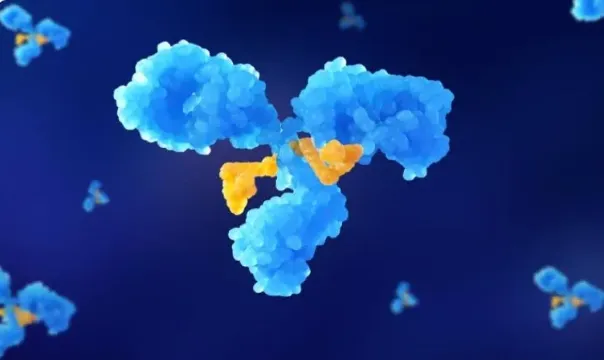
Oligonucleotide therapies give drug developers a direct way to control gene expression at the RNA level. These short, synthetic strands of DNA or RNA bind to specific RNA sequences and change how cells make proteins. Researchers can switch off harmful genes, correct faulty messages, or modulate splicing without altering the underlying DNA. This approach helps bridge the gap between genetic discoveries and real treatments. It supports precision medicine, faster target validation, and new options for diseases that resist small molecules or biologics. Drug discovery teams now treat RNA as a drug target, not just an intermediate messenger.
How Oligonucleotide Therapies Work in Drug Discovery?
Targeting RNA Through Base Pairing Mechanisms
Oligonucleotide drugs rely on predictable base pairing between nucleotides. Scientists design short sequences that are complementary to a chosen stretch of messenger RNA or pre‑mRNA. When the oligonucleotide enters the cell, it searches for that matching RNA and binds through Watson‑Crick base pairing. This hybrid duplex formation makes the targeted RNA stand out to cellular machinery. Depending on the chemistry and design, the bound complex can recruit enzymes that degrade the RNA, change splicing patterns, or block translation. Because binding depends on sequence complementarity, drug discovery teams can rationally design candidates against almost any transcribed gene, including “undruggable” targets.
How ASO and siRNA Silence Disease Genes
Antisense oligonucleotides (ASOs) and small interfering RNAs (siRNAs) use different silencing pathways but share sequence‑specific recognition. ASOs are single‑stranded and usually bind RNA in the nucleus or cytoplasm. Many ASOs recruit RNase H, which cleaves the RNA strand of the DNA‑RNA duplex, reducing target RNA levels. Others modulate splicing by blocking specific splice sites. siRNAs are double‑stranded and feed into the RNA interference pathway. Inside cells, the RNA‑induced silencing complex (RISC) loads one siRNA strand as a guide. RISC then finds complementary mRNA and cuts it, leading to degradation. Drug discovery programs exploit both mechanisms to lower harmful protein production.
Blocking Protein Production Before Disease Progression
Many diseases result from toxic proteins, gain‑of‑function mutations, or overexpressed pathways. Oligonucleotide therapies aim upstream, before cells translate mRNA into protein. By reducing or altering disease‑related transcripts, these drugs lower the amount of harmful protein produced. This strategy can slow or prevent downstream cascades such as aggregation, inflammation, or fibrosis. In drug discovery, teams screen ASO and siRNA libraries to identify sequences that most effectively reduce target RNA in relevant cell and animal models. Researchers then optimize chemical modifications and delivery formulations for stability and safety. The goal is a durable, dose‑dependent knockdown that aligns with disease biology and clinical endpoints.
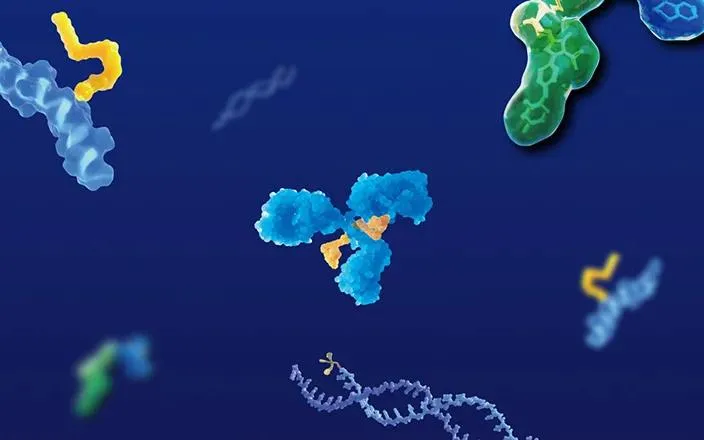
Applications of Oligonucleotide Therapies in Modern Medicine
Rare Genetic Disorders and Personalized Medicine
Rare monogenic disorders were among the first clinical successes for oligonucleotide drugs. Many of these diseases arise from a single faulty gene and lack traditional treatment options. ASOs can correct splicing defects, restore partial protein function, or silence dominant‑negative alleles. Approved therapies for conditions like spinal muscular atrophy demonstrate this potential. Because design depends on sequence, researchers can tailor oligonucleotides to a specific mutation or even a single patient, supporting ultra‑personalized medicine. Drug discovery groups now integrate genomic sequencing, bioinformatics, and rapid ASO synthesis to move from mutation identification to candidate design much faster, reshaping pipelines for rare disease treatment.
Cancer, Liver Disease, and Neurological Research
Oncology, hepatology, and neurology programs now actively explore oligonucleotide platforms. In cancer, ASO and siRNA candidates target oncogenes, resistance pathways, or immune checkpoints that are difficult to hit with small molecules. The liver remains a key focus because hepatocytes efficiently take up certain conjugated oligonucleotides, enabling therapies for hypercholesterolemia, transthyretin amyloidosis, and other metabolic or fibrotic conditions. In neurology, intrathecal delivery allows ASOs to reach the central nervous system and modulate genes linked to Huntington’s disease, ALS, and other neurodegenerative disorders. Researchers use these tools both as therapeutics and as precise probes to validate targets and dissect complex disease networks.
Emerging Opportunities in RNA-Based Therapeutics
Beyond ASOs and siRNAs, the RNA therapeutic landscape now includes splice‑switching oligonucleotides, microRNA modulators, and guide strands for gene‑editing tools. New chemistries improve stability, reduce off‑target effects, and expand tissue distribution. Conjugates such as GalNAc target receptors on specific cells, while advanced nanoparticles enhance delivery to extrahepatic tissues. Drug discovery teams also combine oligonucleotides with other modalities, including antibodies and small molecules, to build synergistic regimens. As sequencing uncovers more regulatory RNAs, researchers gain fresh targets for modulation. These advances suggest broader use in cardiometabolic disease, immune disorders, and aging‑related conditions, with RNA‑directed strategies integrated into standard discovery workflows.
Conclusion
Oligonucleotide therapies transform drug discovery by letting scientists act directly on RNA, not just proteins. Through precise base pairing, ASOs and siRNAs silence or reshape gene expression before harmful proteins accumulate. This approach has already delivered treatments for rare genetic diseases and is rapidly expanding into cancer, liver, and neurological indications. Advances in chemistry, delivery systems, and bioinformatics continue to reduce barriers and improve safety. As understanding of RNA biology deepens, more targets become accessible. Oligonucleotide platforms now stand beside small molecules and biologics as core tools for building targeted, flexible, and personalized therapies.

Ferderik Moller is a passionate blogger with expertise in massages, relationships, and festivals. He shares unique insights, expert tips, and creative ideas to nurture well-being, strengthen bonds, and elevate the joy of celebrations and special moments.