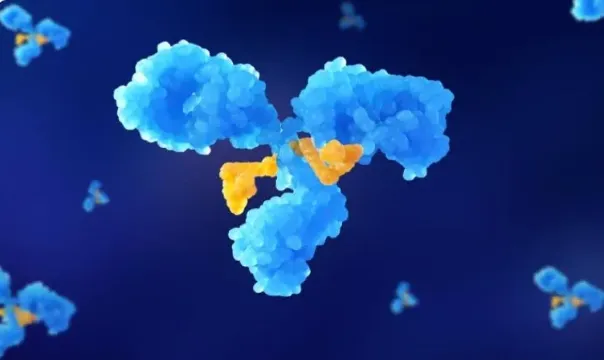
Drug developers rely on in vitro ADME studies to understand how a compound behaves before it reaches clinical trials. By examining absorption, distribution, metabolism, and excretion in controlled systems, scientists can predict safety liabilities early. These assays reveal whether a drug forms toxic metabolites, interacts with key enzymes, or accumulates in sensitive organs. The data support decision-making on candidate selection, dose range, and risk mitigation strategies. When teams integrate in vitro ADME with toxicology data and modeling, they reduce late-stage attrition, protect trial participants, and streamline regulatory submissions with stronger mechanistic evidence.
How In Vitro ADME Studies Help Predict Drug Safety Risks?
Metabolic Stability Assays and Toxic Metabolite Detection
Metabolic stability assays show how quickly liver enzymes break down a drug and what metabolites form. Researchers incubate a compound with liver microsomes, hepatocytes, or recombinant enzymes and measure parent loss and metabolite profiles over time. Rapid clearance can limit efficacy, while very stable compounds may accumulate and increase toxicity risk. Metabolite identification, often through LC‑MS/MS, flags reactive or electrophilic species that can bind covalently to proteins or DNA. Teams then prioritize structural optimization, glutathione trapping studies, and reactive metabolite assessment to reduce idiosyncratic toxicity and improve the compound’s overall safety margin before in vivo testing.
CYP Inhibition and Drug-Drug Interaction Risk Assessment
Cytochrome P450 (CYP) inhibition assays evaluate whether a new drug blocks key metabolic enzymes that clear many marketed medicines. Scientists test the compound against major human CYP isoforms, such as CYP3A4, CYP2D6, CYP2C9, and CYP1A2, and calculate IC50 or Ki values. Strong or time‑dependent inhibition signals a high risk of drug‑drug interactions that can raise exposure of co‑medications and cause adverse events. Data from in vitro systems feed into static and physiologically based pharmacokinetic models. Sponsors use these predictions to design clinical DDI studies, refine product labels, and select safer backup compounds when inhibition is unacceptable.
Plasma Protein Binding and Distribution-Related Safety Risks
Plasma protein binding studies determine what fraction of a drug remains unbound and pharmacologically active in circulation. Researchers typically use equilibrium dialysis, ultrafiltration, or ultracentrifugation to measure binding to albumin and alpha-1-acid glycoprotein. Highly bound drugs may show long half-lives and displacement interactions, especially when co-administered with other strongly bound agents. Low unbound fraction can also limit tissue penetration, while very high free levels may increase on-target or off-target toxicity. By integrating binding data with in vitro adme potency and safety pharmacology results, teams set safe exposure targets, refine dosing strategies, and anticipate special risks in patients with comorbidities.

Transporter Assays for Predicting Drug Accumulation and Toxicity
Transporter assays assess how membrane proteins control drug uptake and efflux in critical organs. Scientists use cell lines overexpressing transporters such as P‑gp, BCRP, OATPs, OCTs, and BSEP to measure substrate and inhibitor behavior. Restricted efflux at the blood‑brain barrier can limit central side effects, while strong inhibition of BSEP or hepatic uptake transporters can trigger cholestatic liver injury or hyperbilirubinemia. Renal transporter interactions may lead to nephrotoxicity or altered clearance of co‑medications. Early identification of problematic transporter profiles allows chemists to modify structures and clinicians to plan interaction studies or contraindications for vulnerable patient groups.
Advanced In Vitro ADME Strategies for Safer Drug Development
High-Throughput ADME Screening for Early Risk Identification
High‑throughput ADME platforms let discovery teams test hundreds of compounds rapidly using miniaturized assays and automation. Labs run parallel screens for metabolic stability, permeability, solubility, CYP inhibition, and plasma protein binding with low material use. Early data highlight compounds with poor clearance, promiscuous enzyme inhibition, or unfavorable distribution, which may cause safety issues later. Project teams prune chemical series quickly and focus optimization on molecules with balanced efficacy and ADME properties. This approach reduces costly late‑stage failures, supports data‑driven design cycles, and creates robust structure‑activity relationships linking molecular features to safety‑relevant pharmacokinetic behavior.
In Vitro Models for Hepatotoxicity and Cardiotoxicity Prediction
Specialized in vitro models extend ADME evaluation into organ‑specific safety. For hepatotoxicity, scientists employ primary human hepatocytes, 3D spheroids, or liver microphysiological systems to study bile acid handling, mitochondrial function, and stress pathways. For cardiotoxicity, human iPSC‑derived cardiomyocytes and hERG channel assays detect effects on repolarization, contractility, and arrhythmia risk. These systems help link exposure, metabolite formation, and functional injury. By combining concentration‑response data with human‑relevant models, teams identify liabilities such as drug‑induced liver injury or QT prolongation earlier. They then refine structures, adjust dosing, or deselect candidates before they progress into costly clinical trials.
Integrated ADME and Toxicology Platforms for Modern Modalities
Modern drug modalities, including biologics, antibody‑drug conjugates, peptides, and oligonucleotides, require integrated ADME‑toxicology strategies. Platforms now combine in vitro stability, target engagement, and off‑target profiling with mechanistic toxicity endpoints in human‑relevant cells. For small molecules, integrated panels may unite CYP, transporter, and safety pharmacology assays with transcriptomics and high‑content imaging. For larger modalities, assays track catabolism, immunogenicity markers, and tissue distribution surrogates. Cross‑functional teams use these datasets to build quantitative systems pharmacology and PBPK models. The result is a more accurate prediction of human safety margins, better dose selection, and streamlined interactions with regulatory authorities.
Conclusion
In vitro ADME studies form a foundation for predicting drug safety risks long before first‑in‑human trials. Metabolic stability, enzyme and transporter interactions, and plasma protein binding data reveal how a compound will be handled in the body. Advanced models for liver and cardiac safety, supported by high‑throughput platforms and integrated analytics, improve sensitivity to subtle liabilities. When project teams interpret these findings alongside efficacy and exposure targets, they make informed choices about optimization, candidate nomination, and clinical strategy. This scientific, data‑driven approach protects patients, reduces attrition, and accelerates the development of safer, more effective therapies.

Ferderik Moller is a passionate blogger with expertise in massages, relationships, and festivals. He shares unique insights, expert tips, and creative ideas to nurture well-being, strengthen bonds, and elevate the joy of celebrations and special moments.