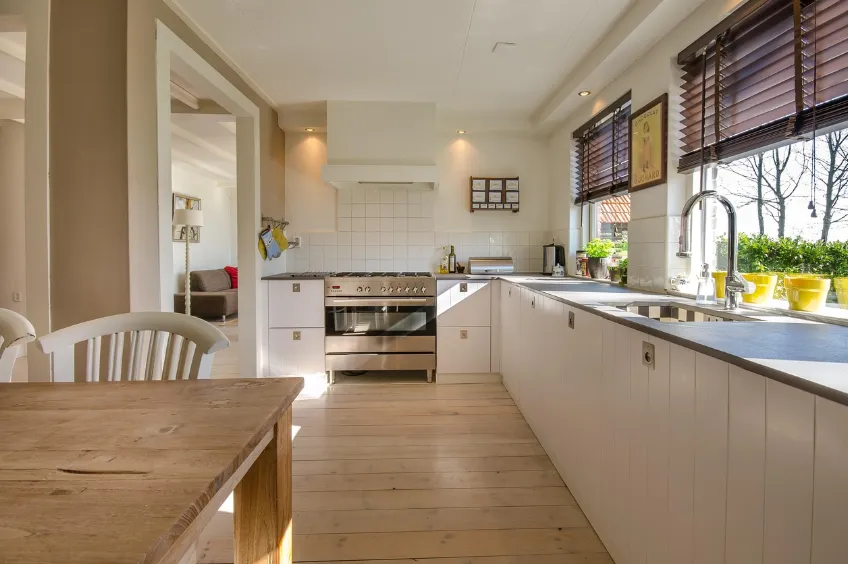
Shaker kitchens may seem outdated due to their simplicity and goal towards clean lines. However, this style is among the most appreciated, as it has survived changing designs over the past decades and reinvented itself. While the original Shaker kitchen was modest, with simple cabinet doors featuring recessed panels and a four-piece wood frame, modern designs are taking a unique approach by enhancing the traditional with a modern style.
Therefore, the Shaker kitchen can be any way you like as long as it respects several features, such as the simple lines and symmetrical proportions, the natural materials, and the practical nature of items and cabinetry. So, here’s how modern Shaker kitchens are and how you can create one for yourself.
A shaker kitchen must be simple and versatile
With functionality at its core, the Shaker kitchen should include cabinetry and units made of natural materials that can withstand long-term wear and tear, such as solid wood. However, given the cost of this material, pursuing more budget-friendly alternatives can still be efficient, such as plywood, high-density fibreboard (HDF), or medium-density fibreboard (MDF).
The simplicity of the materials should be accompanied by a versatile design, so the layout focuses on uncomplicated compositions, neutral shades, and closed cabinetry you can have even with kitchen replacement doors. This design should help you maintain cleanliness by avoiding a cluttered feel from unnecessary items and furniture, and by minimising the number of utensils you use.
Modern Shaker kitchens have contemporary hardware
Kitchen hardware has been one of the best ways to update a simple kitchen, as it only requires finding interesting items and replacing the hardware with vintage items, for example. This can be an effective way to improve the simple look of a Shaker kitchen without crowding it, so consider:
- Wood or stone for the handles, knobs, and pulls, painted in unique colours;
- Metals like brass for the kitchen tap;
- Statement hardware like elongated handles or oversized knobs;
- Items highlighted by unique craftsmanship that you can find at any antique store;
Don’t be afraid to make these small adjustments; they won’t affect the kitchen’s usability or functionality. Their purpose is only to highlight the hidden beauty in a simple item.
Paint your Shaker kitchen into gentler shades
Since the Shaker kitchen was never about bold statements, choosing a colour scheme with paler tones can help stay on the theme. In a way, it is similar to the minimalistic colour scheme for kitchens, where soft beiges and greys are preferred. However, you can mix brighter tones with smaller patches of dark blue or green for a more interesting look.
Some of the schemes you can consider include:
- Porcelain, chalk, and mussel tones for subtle elegance;
- Copse green and carbon for a richer-looking kitchen;
- Cashmere and dry rose for a more grounded atmosphere;
- Chalk blue and Ives blue for a soothing kitchen;
Neutrals can always make the kitchen feel calm and welcoming, but when you feel the room is colder than it should be, warm tones are still an acceptable way to create the perfect Shaker kitchen.
Focus on open shelving storage
The Shaker kitchen has leveraged open shelving not only for added storage but also to showcase cutlery as decorative elements. For some, open shelving might be visually busy, especially when the shelves are crowded with too many objects.
Ideally, you place only what’s mostly used on the Shaker kitchen shelves, such as mugs, several pans and plates, so they’re easily reachable and even easier to put back after use. For items you use rarely, closed units are best, such as heavy appliances or cooking utensils used only for holiday meals.
However, keeping open storage neat and organised requires discipline, so allocating a few minutes a day to put things back where they were placed and cleaning the shelves is necessary to avoid visual clutter. Leaving some empty space on the shelves is also possible, as it makes the shelves feel lighter and allows you to move things more easily.
Keep the entire kitchen in a minimalistic design
A minimalist kitchen respects the theme of a Shaker style because it’s organised, displays few items,, and is practical for all family members to use. For example, an organised kitchen starts with clean surfaces, as they should not be used for storage but rather for activity. The counters should only hold items used daily, such as the coffee machine and some ingredients. If you lack proper storage, you can get wall-mounted racks or hanging baskets.
The minimalist design focuses on owning less, since many of us tend to buy more than we need due to consumerism. Indeed, many new items would make our lives easier, but keeping it simple is sometimes enough for maintaining a clean kitchen. But how can we sustainably and constantly ensure organisation in the kitchen?
Create a special place for anything
Making a home for each category of objects is one of the strategies professional home organisers use to help people be on top of their cleaning game. This method involves allocating a specific space for specific items, so you don’t mix the area where you place the mugs with the area for the coffee supplies.
You can try delimitating these spaces with organiser trays, which are perfect for small tools. But before doing that, set a day to declutter the kitchen and keep only what’s necessary, while donating or selling what’s no longer usable. You may only keep doubles of objects if they are most likely to become unusable quickly, such as consumables.
Final considerations
The Shaker kitchen style teaches us the importance of owning fewer kitchen items and designing the kitchen for practical purposes rather than embellishing it with unnecessary decorations. While the style has been less popular in the past decades, it has recently resurfaced as another form of minimalism. The clean lines, uncluttered open shelving, and pleasant colours are trendy as they enhance calmness in the kitchen.

Ferderik Moller is a passionate blogger with expertise in massages, relationships, and festivals. He shares unique insights, expert tips, and creative ideas to nurture well-being, strengthen bonds, and elevate the joy of celebrations and special moments.