A renovation that sits on a mood board forever isn’t a renovation. It’s a wish. The gap between planning and doing almost always comes down to money. Getting that funding structured correctly is what moves a project from maybe to done. A home renovation loan from Handy Finance is designed for exactly that moment when the plan is solid but the cash isn’t ready.
Why Do Renovation Plans Stall Before They Start?
The most common reason is savings paralysis. People wait until they have enough cash saved, which takes years, while costs keep rising. Australian construction costs increased by 11.9% in 2022 alone. Waiting often costs more than borrowing. A structured loan lets you lock in current contractor prices and start while the plan is still fresh.
What Makes a Renovation Plan Fundable?
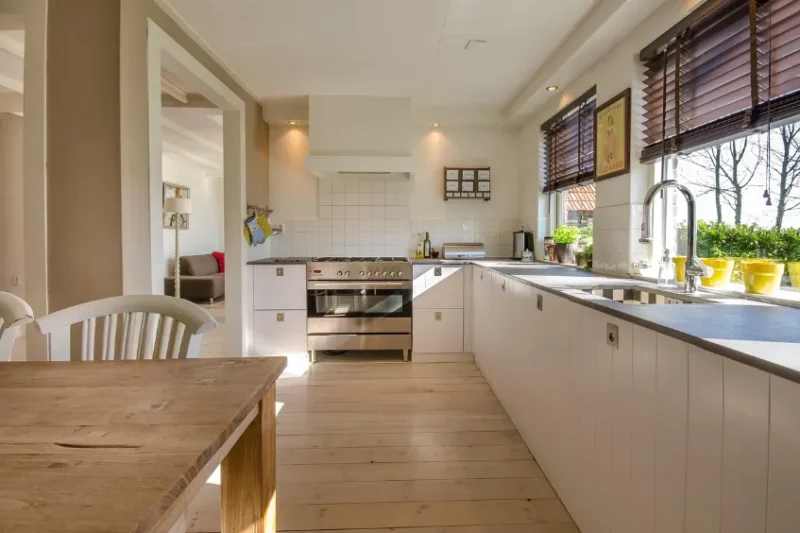
Lenders want to see a clear scope of work, realistic cost estimates, and a licensed contractor lined up. They’re not funding dreams. They’re funding defined projects with real costs attached. The more specific your plan, the easier the approval. Saying ‘I want to renovate my kitchen’ is weak. Saying ‘I’m replacing cabinets, benchtops, appliances, and flooring for $28,000 with a quote from a licensed builder’ is strong.
How Do You Stage a Large Renovation Financially?
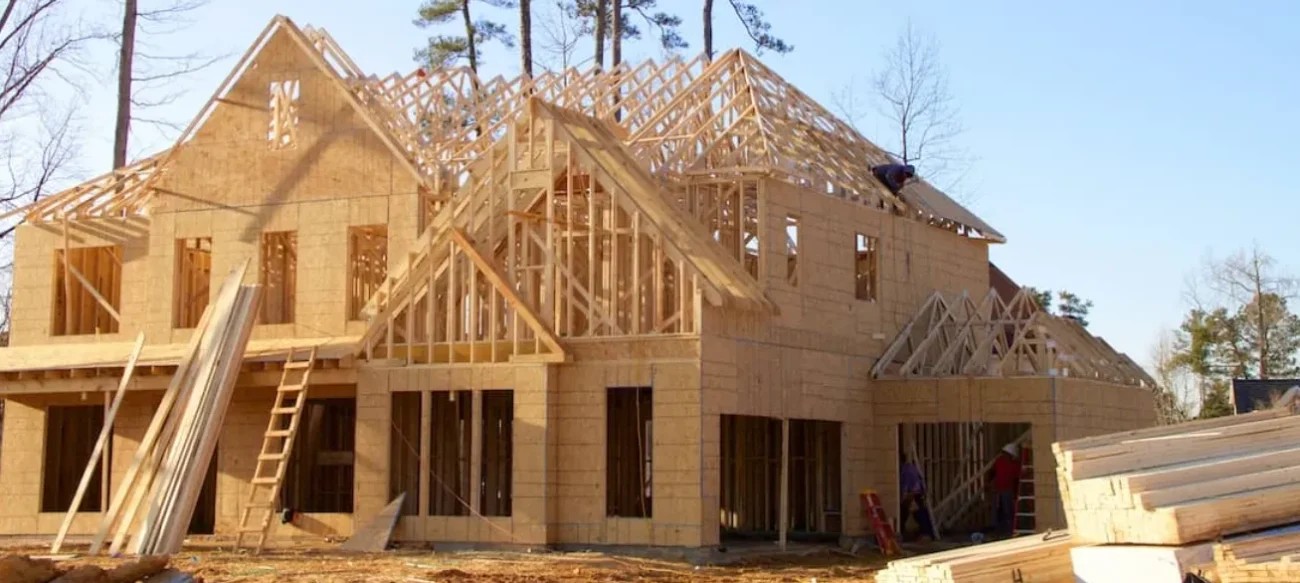
Break it into phases. Stage one might be structural work or the kitchen. Stage two the bathrooms. Stage three cosmetics. Each stage has its own budget and timeline. Some lenders offer staged drawdown facilities where funds are released in batches as milestones are completed. This protects both you and the lender from cost blowouts on work not yet done.
How Does Funding Structure Affect Your Renovation Timeline?
Having funds confirmed before work starts means no delays waiting for approvals mid-build. Contractors can schedule without gaps. Delays in construction typically cost between $500 and $2,000 per week in labour holding costs. A pre-approved loan removes the funding uncertainty that causes most timeline blowouts.
Can You Fund a Renovation While Still Paying Your Mortgage?
Yes. Most lenders assess serviceability based on your total income and existing obligations. If you have sufficient income to cover both, approval is possible. Some homeowners also refinance their existing mortgage to include renovation funding, effectively rolling everything into one repayment. This can simplify cash flow but usually extends the overall loan term.
What Should You Prioritise When Funding Is Limited?
Structural and safety work first. A roof that leaks or wiring that’s a fire risk must be fixed before anything cosmetic happens. Then focus on rooms that affect daily functionality, kitchens and bathrooms. Cosmetic work like painting and flooring comes last. This order protects your investment and ensures the property is liveable through every stage.
What’s the Real Cost of Doing Nothing?
Deferred maintenance compounds. A minor roof repair that costs $800 now can become a $15,000 structural fix in three years. An outdated kitchen keeps your property undervalued in a rising market. Doing nothing has a cost, it just arrives later and hits harder. Structured funding turns reactive expensive repairs into planned affordable upgrades.

Ferderik Moller is a passionate blogger with expertise in massages, relationships, and festivals. He shares unique insights, expert tips, and creative ideas to nurture well-being, strengthen bonds, and elevate the joy of celebrations and special moments.